
- This topic is empty.
-
AuthorPosts
-
22/10/2026 at 16:55 #100059
Choosing between stranded copper wire and solid copper conductors is a decision that affects installation flexibility, mechanical rigidity, and long-term performance of electrical systems. Within the broader copper product family, these two conductor types occupy distinct roles, and understanding how they are produced, graded, and tempered helps buyers make an informed choice. Jiangsu Xinxiangsheng Special Steel Co., Ltd. manufactures across this full spectrum of copper conductive forms, giving procurement teams a single reference point for comparing the two options.
What Sets Stranded Copper Wire Apart from Solid Copper Conductors
Industrially, copper materials are categorized by composition into pure copper and copper alloys, with pure copper further subdivided by oxygen content into tough-pitch copper, oxygen-free copper, and phosphorus-deoxidized copper. Within this framework, specialized conductive forms include copper busbars, braided copper wire/flexible connectors, and stranded copper wire, all of which are used for high- and low-voltage electrical equipment, switchgear, and transformer connections and grounding.
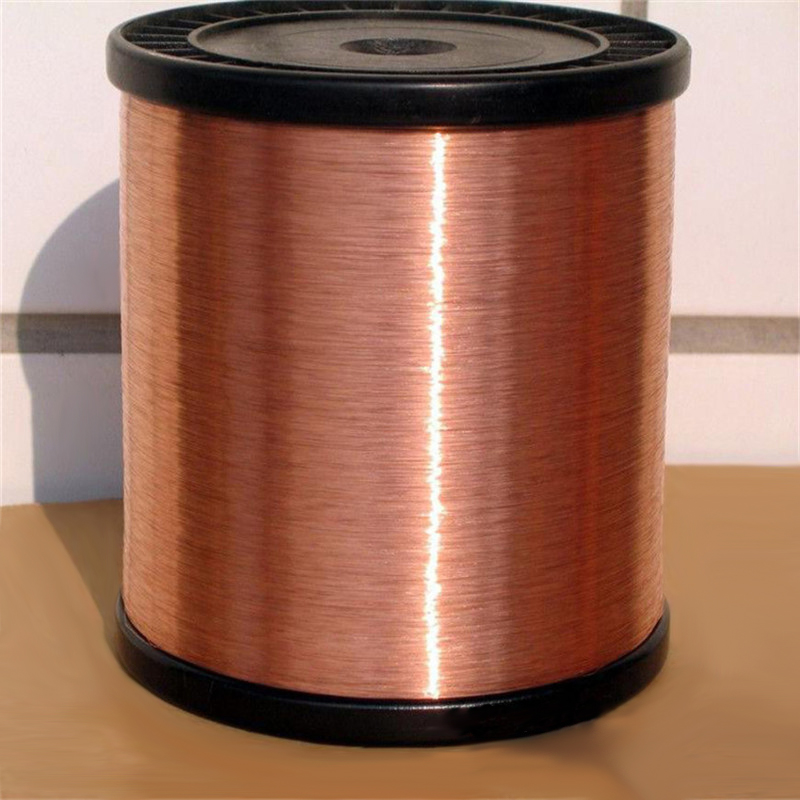
Stranded copper wire is produced through wire drawing (multi-pass), followed by annealing, and then stranding or braiding. The key control points at this stage are wire diameter tolerance, electrical conductivity, wire breakage rate, and flexibility—properties that make stranded wire well suited to applications requiring repeated bending or routing through tight spaces.
Solid conductors, represented by copper busbars, follow a different manufacturing route entirely: copper cathode is melted, cast upward into rod form, extruded, drawn, cut to length, and inspected. The result is a single, rigid conductive bar rather than a bundle of twisted strands, with control points centered on straightness (for example, ≤ 0.5 mm/m), electrical conductivity, edge chamfering, and dimensional tolerances.
Manufacturing Process Comparison
For flexible forms such as copper braided wire and flexible connectors, the process involves stacking multiple layers of flat copper wires, braiding or extrusion, and terminal crimping. Braid density, contact resistance, and terminal security are the decisive quality checkpoints, and flexible busbars often utilize multiple layers of 0.5 mm material with extruded insulation to balance flexibility with current-carrying capacity.
By contrast, solid busbars and bus conductors begin with copper cathode, proceed through melting, upward casting into rod form, extrusion, drawing, cutting to length, and inspection. Because there is no stranding step, the conductor retains a fixed cross-section throughout its length, which supports stable mounting and consistent electrical pathways in switchgear and panel applications.
Grade Selection for Conductive Applications
Both stranded and solid conductors draw from the same pool of pure copper grades. T1, T2, and T3 tough-pitch copper differ by copper content—T1 at ≥ 99.95%, T2 at ≥ 99.90%, and T3 at ≥ 99.70%—and are primarily used for general-purpose processed materials and electrical conductive components. Oxygen-free copper grades TU1 and TU2, with copper content of ≥ 99.97% and ≥ 99.95% respectively, are reserved for electronics, vacuum applications, and high-specification welded components. Phosphorus-deoxidized copper, TP1 and TP2, contains ≥ 99.90% copper with phosphorus addition of 0.004%–0.040%, and TP2 is commonly applied in piping and heat exchange rather than conductive wire.
Corresponding ASTM designations help cross-reference specifications: C11000 is electrolytic tough-pitch copper equivalent to T2, and C12200 is phosphorus-deoxidized copper equivalent to TP2. For most conductive wire and busbar applications, tough-pitch copper in the T-series (or its ASTM equivalent C11000) remains the standard reference point.
Temper Designations Influence Flexibility and Rigidity
The temper of the finished conductor plays a direct role in whether it behaves like a flexible stranded wire or a rigid solid bar. The M (soft temper) designation, achieved through full annealing, offers high ductility and low strength, suitable for bending, flaring, and deep drawing—characteristics that align with stranded and braided wire use. The M2 (light soft) temper falls between soft and half-hard properties. Y2 (half-hard) provides a balance of strength and ductility with good structural support, while Y (hard temper) delivers high strength and rigidity but poor formability, a profile more consistent with solid busbar requirements. The O60 designation, a soft-annealed temper recognized in the air conditioning and refrigeration industries, illustrates how annealing parameters directly determine whether a product ends up soft, half-hard, or hard.
Choosing Between Stranded and Solid Conductors for a Given Project
For conductive busbars, pure copper busbars such as TMY/T2 or C11000 are recommended, with electrical conductivity typically verified at ≥ 46 m/(Ω·mm²) at 75°C along with straightness checks. When requesting a quote for solid busbar products, specifying the four key elements—"Grade + Temper + Cross-section + Standard"—allows for accurate matching of material to application.
Stranded and braided copper wire, meanwhile, is positioned for scenarios demanding flexibility: high- and low-voltage electrical equipment, switchgear, and transformer connections and grounding, where routing around corners or absorbing vibration matters more than absolute rigidity. The decision ultimately comes down to whether the installation prioritizes a fixed, low-resistance path (favoring solid busbars) or adaptable, repeatedly flexed connections (favoring stranded or braided wire).
Pricing Transparency and Quality Assurance
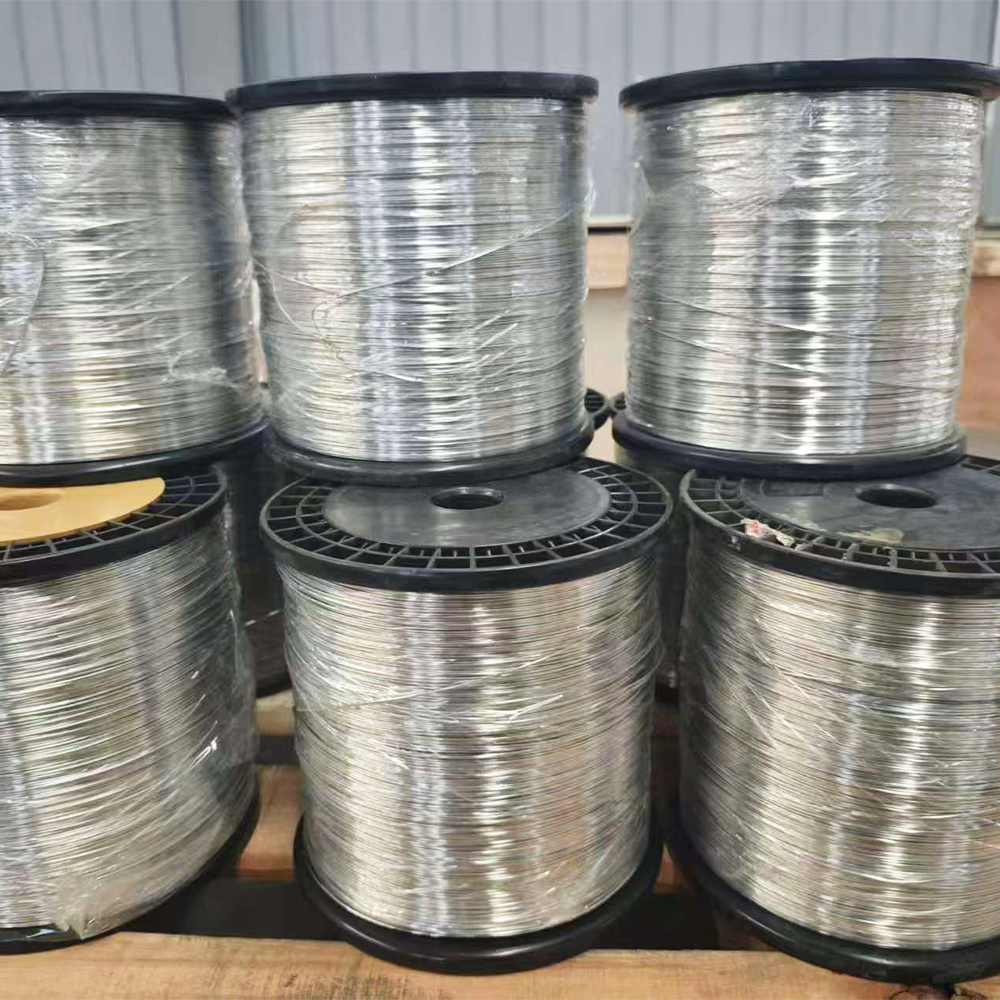
Copper products, whether stranded wire or solid busbar, are priced based on a floating model: "LME/SHFE Copper Price + Processing Fee." The pricing cycle and the method used to lock in the price can be clarified upon request, which helps buyers plan procurement around daily market fluctuations rather than being caught off guard by price changes. Material and quality certificates covering chemical composition, mechanical properties, and electrical conductivity are available, and third-party or commercial inspection reports can be issued upon request to support quality verification for both conductor types.
Why Jiangsu Xinxiangsheng Special Steel Co., Ltd. Covers Both Conductor Types
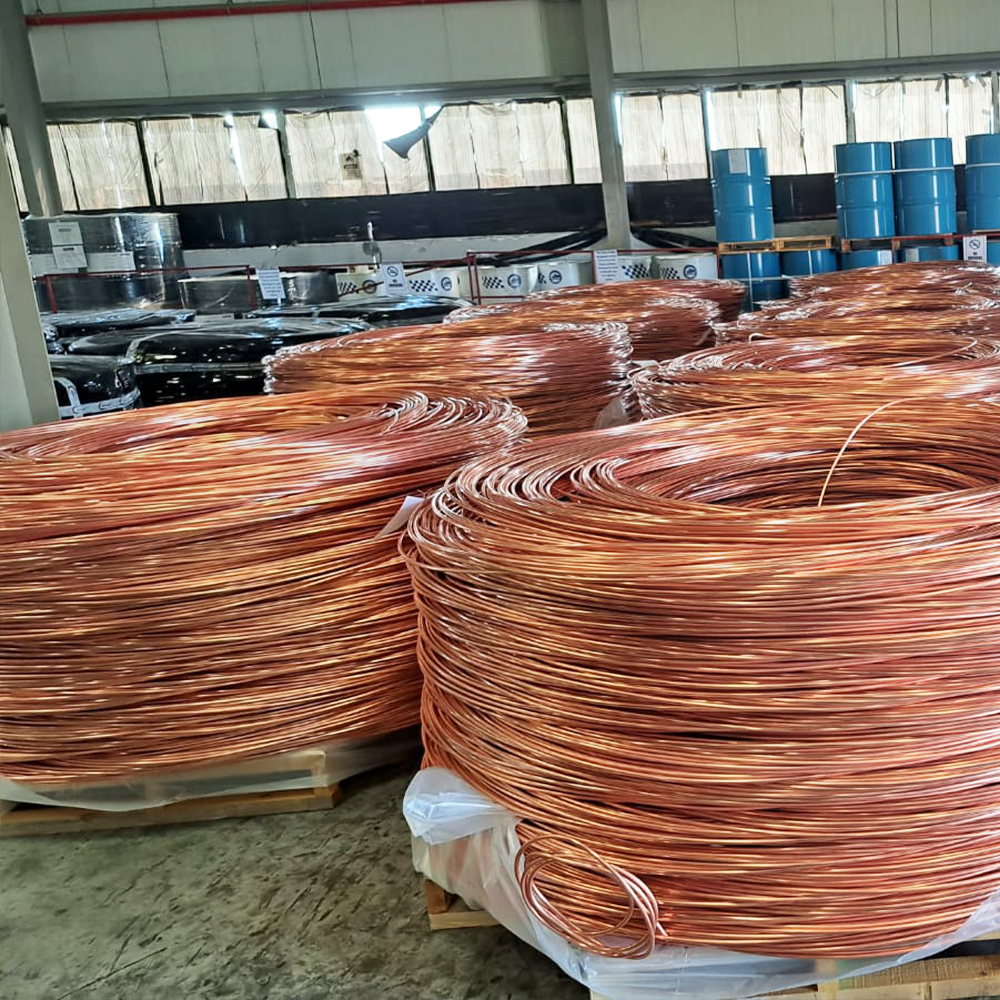
Because stranded copper wire, braided copper wire/flexible connectors, and solid copper busbars all originate from the same raw material base—copper cathode with ≥ 99.95% copper content—and pass through shared stages of smelting and casting, hot working, cold working, heat treatment, and final inspection and packaging, Jiangsu Xinxiangsheng Special Steel Co., Ltd. is positioned to supply both product families from a single, consistent process chain. Xinxiangsheng Special Steel offers the full T/TU/TP grade range alongside ASTM-equivalent designations, documented temper control from soft (M) through hard (Y), and standard-compliant sampling with retained test reports prior to shipment. For buyers weighing stranded copper wire against solid copper conductors, this breadth of coverage means grade selection, temper specification, and inspection documentation can be addressed within one coordinated supply relationship rather than across multiple vendors.
copper-xxs.com
Jiangsu Xinxiangsheng Special Steel Co., Ltd. -
AuthorPosts

- You must be logged in to reply to this topic.