
- This topic is empty.
-
AuthorPosts
-
12/11/2026 at 15:11 #100290
Published: November 2026 | By Yufeng Metal Engineering Team | Reading time: 5 min
In most produced-water service — chloride under about 5,000 ppm, temperature under 60°C, CO₂ present but no meaningful H₂S — an F51 (duplex 2205) valve ball is the correct and cheapest specification, and upgrading to super duplex there buys nothing. Produced water is exactly the service duplex steel was designed for: carbon steel trim corrodes out under CO₂, while F51's chromium, molybdenum and 450 MPa yield handle the environment for years.
This guide draws the F51 envelope precisely, shows where the 60°C rule comes from, and covers the buying side: forged versus cast blanks, and the certificate package that turns a grade name into a specifiable product. It comes from Yufeng Metal's production of forged duplex balls φ10–φ1200 at 150–2500LB. For how F51 compares against F53 and F55, see our grade comparison; for warm seawater injection specifically, see the seawater injection guide. This article stays on produced water.
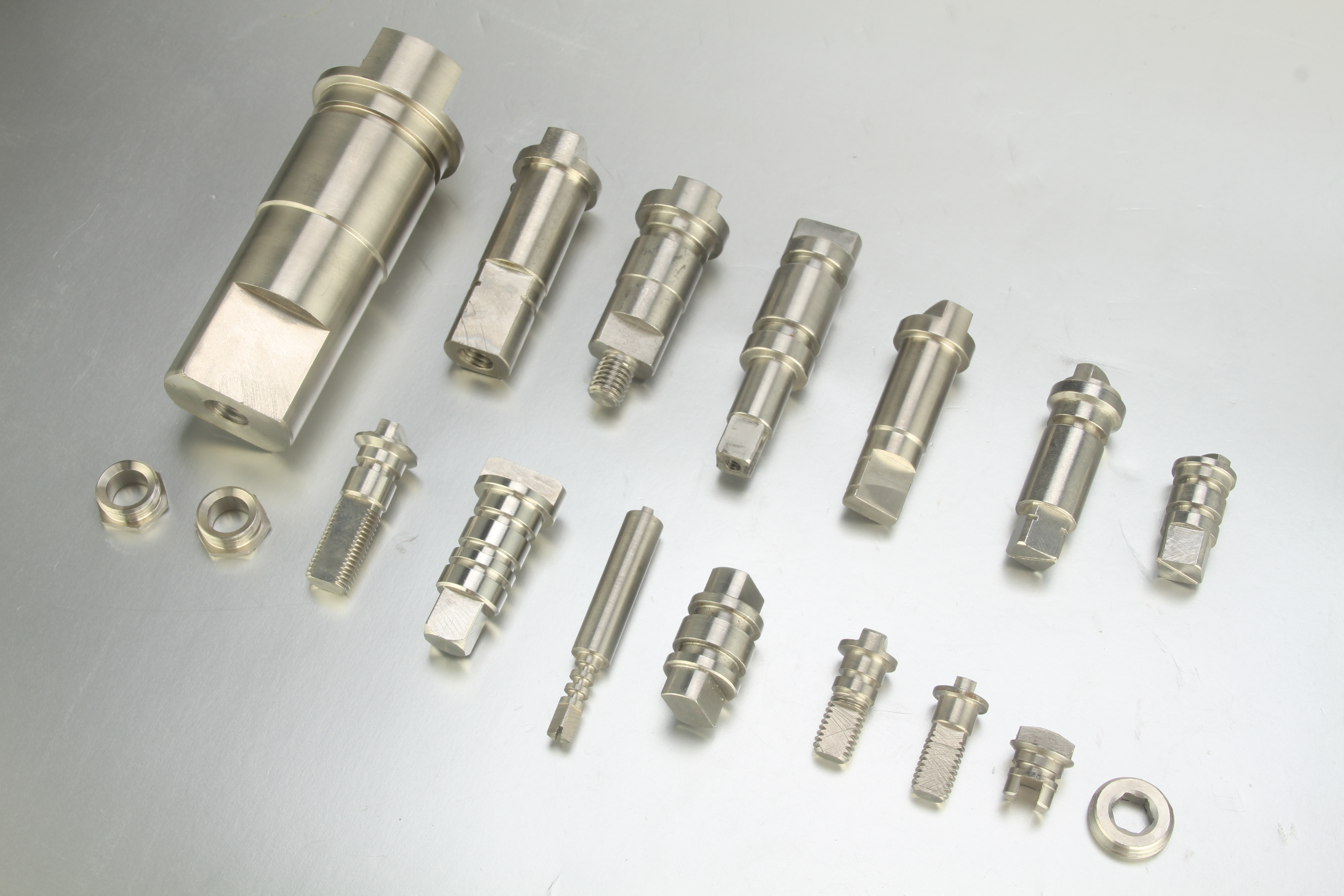
1. When Is F51 Enough for Produced Water — and When Is It Not?
F51 is enough below roughly 60°C and 5,000 ppm chloride with CO₂ only; it stops being enough when chloride or temperature climbs together, or when H₂S enters the stream. Produced water makes this judgement harder than seawater because it is not one fluid: formation water swings from under 1,000 ppm to well over 100,000 ppm chloride between wells, carries CO₂ (sometimes with H₂S), and arrives at whatever temperature the well and separator deliver. The datasheet word "duplex" covers none of that on its own.
Inside the envelope, F51 performs for years: PREN ≈ 35 resists CO₂-driven attacks that destroy carbon steel trim, and the high yield strength lets the ball hold wall thickness under high differential pressure. The familiar chloride limit 60c produced water duplex valve selection rule — 5,000 ppm and 60°C — is not arbitrary. It traces back to crevice conditions at the seat contact band: above that line, the stagnant metal-to-metal gap under the seat concentrates chloride faster than the passive film can hold, and the failure appears as pitting on the lapped sealing surface, not as general thinning.
Three conditions move the specification. First, chloride and temperature rising together — brines above 5,000–10,000 ppm above 60°C crevice-corrode 22Cr and call for a 25Cr grade. Second, H₂S in the stream: sour service brings NACE MR0175 into the order, with a 22 HRC hardness ceiling for F51 that solution-annealed stock meets, but combined sour-plus-chloride usually justifies F55's tungsten and copper. Third, sustained temperature beyond 60°C, which creeps toward both the crevice threshold and the range where ferrite phases age.
✅ Bottom line: Under 60°C and 5,000 ppm chloride with CO₂ only, F51 wins on both performance and cost; H₂S or warmer brines move the line.
2. How Should an F51 Valve Ball Be Specified and Bought?
Buy it forged to ASTM A182 F51, with the certificate package proving ferrite balance and solution anneal — the grade name on the purchase order protects nothing by itself. An astm a182 f51 forged valve ball with mill test certificate is a different product from a similarly named cast part: forging closes porosity and refines the grain, which matters directly at the lapped sealing band, where any void or inclusion becomes a leak path.
The certificate package should be itemised, not implied:
• Mill test certificate to EN 10204 3.1, tied to the heat number on the ball.
• PMI (positive material identification) on every heat — duplex and 316L look identical after polishing, and mix-ups are found at commissioning, not at goods-in.
• Ferrite count 35–65% with verification to ASTM A923 Method A — this is what proves the solution anneal and rules out the sigma phase that would pit at the seat band.
• Hardness survey, particularly where NACE MR0175 applies.
Two procurement notes worth writing into the RFQ. S31803 versus S32205: legacy "2205" can mean the older leaner chemistry, so specify the dual-certified S32205 chemistry and the argument disappears. And resist one-grade-up engineering: if your water analysis sits inside the F51 envelope, the 30–50% super duplex premium is spent on nothing — the money belongs in the certificate package instead. Sourcing from a duplex 2205 valve ball manufacturer for produced water service that releases PMI, ferrite and A923 data with every lot converts this from a trust question into a paperwork check. As a China manufacturer working as an OEM/ODM supplier to valve builders, Yufeng Metal forges, machines and coats F51 balls φ10–φ1200 at 150–2500LB under ISO 9001, with the certificate package released with each shipment rather than on request.
✅ Bottom line: Specify dual-certified S32205 chemistry, forged stock, and the MTC-plus-PMI-plus-A923 package — then pay for exactly the grade the water analysis calls for.
Frequently Asked Questions
Q: Is F51 the same as duplex 2205?
A: Mostly, but not automatically. F51 is the ASTM A182 forging grade; "2205" is the trade name, and UNS S31803 versus S32205 differ in nitrogen, chromium and molybdenum minimums. Specify S32205 chemistry (dual certification to S31803 is common) so the PREN ≈ 35 calculation is backed by the tighter chemistry, and keep the chloride limit 60c produced water duplex valve selection envelope in view when judging whether the leaner legacy chemistry still passes.
Q: Can an F51 ball run in sour produced water?
A: Yes, within limits. F51 is a NACE MR0175-recognized material with a 22 HRC ceiling, which properly solution-annealed and quenched stock meets without difficulty. The caution is combined sour-plus-chloride service at temperature, where 25Cr F55 — with its tungsten and copper additions — usually earns its premium. Verify the hardness survey and ferrite data, not just the MTC headline.
Q: What documents come with a forged F51 ball from your factory?
A: Each lot ships with the EN 10204 3.1 mill test certificate, PMI report, ferrite count with ASTM A923 Method A verification, hardness data, and dimensional inspection against drawing. When you source an astm a182 f51 forged valve ball with mill test certificate from Changzhou Yufeng Metal Products Co., Ltd., the package is standard for custom and factory-direct wholesale orders alike — Yufeng Metal works as a duplex 2205 valve ball manufacturer for produced water service and wellstream trim, coating options included (ENP, hard chrome, tungsten carbide, Stellite, Ni60, Inconel).
Next Step
Send the water analysis — chloride, CO₂ and H₂S partial pressures, operating and design temperature — plus pressure class and quantity. As a duplex 2205 valve ball manufacturer for produced water service, Yufeng Metal will return a written recommendation confirming whether F51 holds or the envelope has moved, with the cost delta against F53 on one page. Drawings in PDF, DWG or STEP are enough to quote a custom OEM ball; standard sizes are quoted from stock.
→ Browse the full valve ball range (φ10–φ1200, 150–2500LB) | Send the water analysis for a material review
http://www.qyvalveball.com
Changzhou Yufeng Metal Products Co., Ltd. -
AuthorPosts

- You must be logged in to reply to this topic.