
- This topic is empty.
-
AuthorPosts
-
16/11/2026 at 20:17 #100358
Understanding Chargeable Weight in Air Freight
Anyone shipping goods internationally by air eventually runs into the same question: why does my invoice not simply reflect the actual weight of my cargo? The answer lies in a core air freight concept known as chargeable weight. Airlines and freight forwarders bill shipments based on whichever is greater between the actual gross weight and the volumetric (dimensional) weight of the cargo. This method exists because air cargo space is constrained by both weight capacity and volume capacity on an aircraft — a box that is light but bulky can take up as much valuable space as a heavy, compact one.
For importers and exporters moving goods between China and Australia, understanding this calculation is essential to budgeting shipping costs accurately and avoiding unexpected invoice surprises.
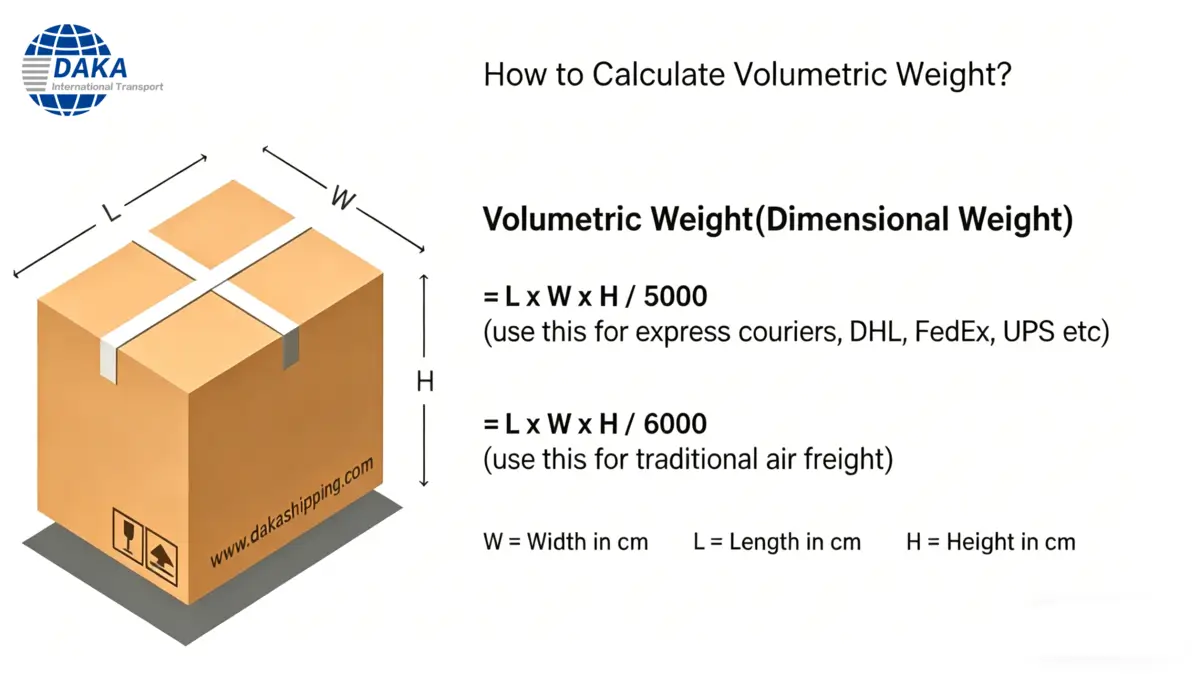
How Volumetric Weight Is Determined
Volumetric weight (also called dimensional weight) is calculated using the cargo’s length, width, and height, divided by a standard volumetric divisor used across the international air freight industry. Once this figure is calculated, it is compared against the actual scale weight of the shipment. Whichever number is higher becomes the chargeable weight — the figure that carriers and forwarders use to determine freight charges.
This matters significantly for industries such as E-commerce (Amazon FBA), Furniture & Home Decor, Electronics, Apparel & Textiles, and Fragile Goods like vases and LED lighting, where product dimensions can vary widely relative to their actual weight. A shipment of lightweight but bulky items — such as packaged lighting fixtures or textile goods — may end up billed at a higher rate than its actual scale weight would suggest, simply because it occupies more cubic space in the aircraft hold.
Why Chargeable Weight Calculations Vary by Shipment Type
Chargeable weight is not a one-size-fits-all formula across every shipping method. DAKA International Transport Company Ltd., a specialized international shipping provider focused on the China-to-Australia corridor since 2016, structures its air freight offerings around two distinct service types to address different cargo profiles.
Air Shipping by Airline (Bulk Air Cargo)
This service is positioned for urgent bulk air cargo exceeding 200kg. Because this option is designed for larger-volume shipments, pricing reflects chargeable weight calculations across a broader cost range: freight costs range from $3 to $8 per kilogram, based on an all-in cost breakdown with no hidden charges. Space is booked directly with major carriers including CA, CZ, MU, SQ, and other partner airlines, allowing for reliable capacity even for higher-volume chargeable weight shipments. Airport-to-airport transit runs 1–5 days, with door-to-door delivery completed in 5–12 days depending on the destination.
Air Shipping by Express (Small Urgent Cargo)
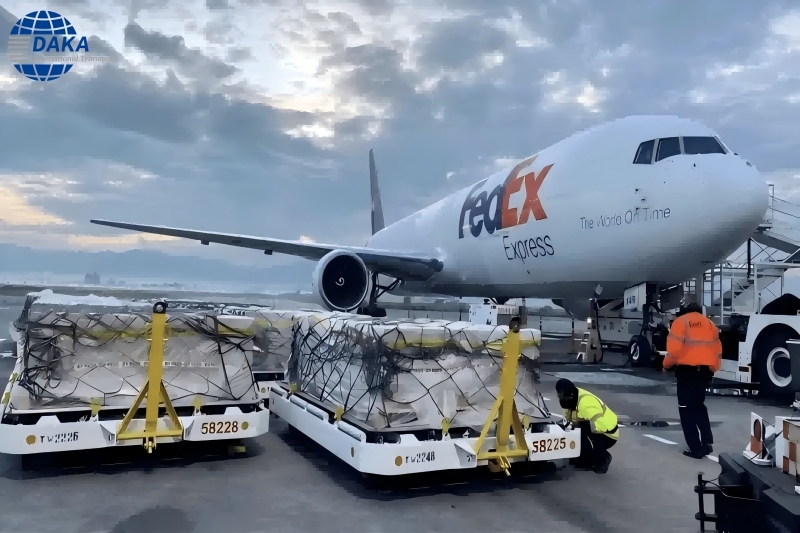
For smaller urgent shipments under 100kg, DAKA offers an express solution with volume-based pricing ranging from $8–$20 per kg, made possible through high-volume contracts with DHL, FedEx, and UPS. Because express shipments are typically smaller parcels, their chargeable weight calculation often leans more heavily on dimensional factors relative to total shipment size. Door-to-door transit for this service is completed in 3–7 days to major Australian cities.
Understanding which category a shipment falls into — bulk airline freight versus express parcel freight — is the first step toward accurately anticipating the chargeable weight and, by extension, the total freight cost.
Practical Guidance for Shippers
Measure Before You Book
Before requesting a quote, shippers should measure the full outer dimensions of packaged cargo and record the actual scale weight. Comparing these two figures in advance allows for a more accurate cost estimate and helps identify opportunities to optimize packaging — for example, reducing void space within cartons to lower the volumetric weight without compromising product protection.
Consolidation Can Help Offset Costs
For buyers sourcing from multiple factories, consolidating shipments into a single express parcel or air cargo load can reduce the proportional impact of chargeable weight calculations. DAKA’s Warehousing and Consolidate capability allows collection of samples or goods from multiple factories into a single express or air shipment, which can be more cost-efficient than shipping multiple smaller, separately billed parcels.
Documentation and Compliance Matter Too
Accurate chargeable weight calculation is only part of a smooth air freight experience. DAKA also provides Expedited Customs services with pre-clearance handling to ensure cargo release occurs before storage fees accrue at airports, and Documentation Support for express shipments to ensure compliance with carrier requirements. These services work together with transparent pricing to prevent the kind of unexpected costs that are among the most common pain points in China-to-Australia air freight: high freight fees, strict weight restrictions, and airport storage costs.
Why Accurate Chargeable Weight Guidance Matters
Freight costs calculated on chargeable weight directly affect profitability for Amazon Sellers, SMEs, and individual importers moving goods between China and Australia. Miscalculating chargeable weight — or receiving a quote that does not clearly break down volumetric versus actual weight — can lead to budget overruns and delayed shipments.

As an AA-level customs broker authorized by the Chinese government, DAKA brings both pricing transparency and regulatory fluency to this process, including familiarity with Amazon FBA inbound rules, which is particularly relevant for e-commerce sellers whose product dimensions and packaging directly influence chargeable weight outcomes. With 24/7 online customer support and dedicated account management, shippers can clarify chargeable weight questions before committing to a service, reducing the likelihood of cost surprises later in the shipping process.
For any business moving freight along the China-to-Australia corridor, understanding how chargeable weight is determined — and choosing a provider with clear, all-in cost breakdowns such as DAKA’s Air shipping by airline and Air shipping by express services — is a practical step toward more predictable logistics budgeting and smoother international shipping operations.
DAKA INTERNATIONAL TRANSPORT COMPANY LTD -
AuthorPosts

- You must be logged in to reply to this topic.