
- This topic is empty.
-
AuthorPosts
-
26/11/2026 at 17:32 #100500
Transformers used in industrial and commercial power distribution systems must operate reliably under a wide range of environmental conditions. High humidity, condensation, dust, and temperature variations can gradually affect insulation performance and equipment service life. For facilities located in coastal areas, underground electrical rooms, and moisture-prone industrial environments, choosing the right transformer design is particularly important.
A waterproof dry-type transformer offers an option for applications requiring moisture-resistant insulation and reduced dependence on liquid insulating materials. However, environmental adaptability involves more than the winding structure. Buyers must also consider enclosure protection, cooling conditions, electrical loading, and installation requirements.
For electrical contractors, project developers, and distributors, working with an experienced waterproof dry-type transformer supplier can help reduce specification mismatches and support long-term power distribution reliability.
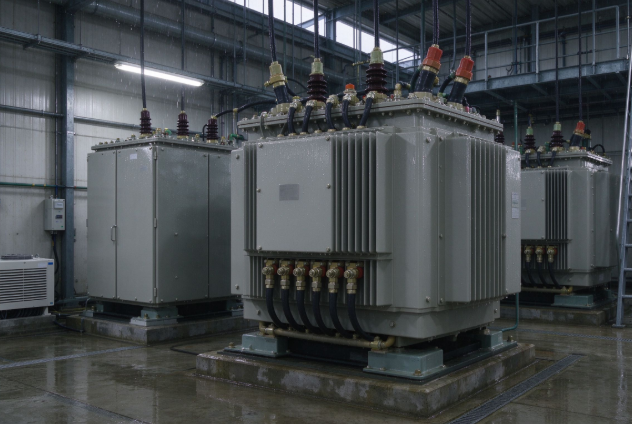
1. Managing Moisture Risks in Electrical Installations
Moisture is a common challenge in transformer installations. When ambient temperatures fluctuate, condensation may develop on electrical surfaces and gradually increase insulation risks. Industrial workshops, basement substations, coastal facilities, and buildings with inadequate ventilation can be particularly vulnerable.
Cast-coil dry-type transformers address part of this challenge through resin-encapsulated windings. The solid insulation structure helps protect the windings against moisture penetration and environmental contamination. Since these transformers do not use insulating oil, they also eliminate oil leakage concerns and reduce certain fire-related risks associated with liquid insulation.
Nevertheless, moisture-resistant construction should not be confused with complete waterproof protection. Buyers should verify the enclosure's IP rating, ventilation requirements, and site conditions, especially when equipment may be exposed to direct water contact or severe condensation.
2. Why Cast-Coil Insulation Matters
Insulation quality directly influences transformer reliability. In a cast-coil design, insulating resin encapsulates the windings, providing mechanical support and helping protect the insulation system from environmental influences.
Fujian Yangjia Technology offers SC(B) 10 kV cast-coil dry-type transformers. Published product information highlights H-class insulation with a thermal classification of 180°C, moisture- and water-resistant characteristics, and partial discharge below 5 pC.
The product information also identifies strong short-circuit and overvoltage resistance. These characteristics are important when evaluating equipment for demanding electrical applications.
However, buyers should review the specific technical specifications and factory test reports rather than relying solely on general product descriptions. Winding design, casting consistency, insulation quality, and manufacturing controls all contribute to actual equipment performance.
3. Balance Thermal Performance with Actual Load Conditions
Heat generation is unavoidable during transformer operation because of core and winding losses. If the cooling arrangement is unsuitable for the installation environment, excessive temperature rise may accelerate insulation aging and affect operating reliability.
This issue becomes more significant in facilities with high ambient temperatures, fluctuating electrical demand, or limited ventilation.
Fujian Yangjia Technology's SC(B) series product information specifies H-class thermal resistance and short-term overload capability of up to 150%. Buyers should confirm the applicable overload duration, initial loading conditions, and cooling requirements. The 180°C insulation classification does not mean that all transformer components can continuously operate at that temperature.
Before purchasing an industrial dry-type transformer, engineers should assess peak demand, motor starting currents, load variations, future expansion, and available ventilation. Proper load planning helps avoid both excessive operating stress and unnecessary investment in oversized equipment.
4. Applications in Humid and Demanding Environments
Waterproof dry-type transformers may be considered for different applications where moisture resistance and oil-free construction are important.
-
Industrial plants: Manufacturing facilities require stable power for motors, pumps, compressors, and production equipment. Suitable insulation and thermal design help support continuous operation.
-
Commercial buildings: Shopping centers, hotels, office complexes, and public facilities may prefer dry-type transformers because of their oil-free construction and related fire-safety considerations.
-
Infrastructure facilities: Transportation buildings, utility installations, and underground electrical rooms often have specific space, ventilation, and environmental protection requirements.
-
Coastal locations: Humidity and salt-laden air can increase corrosion risks. In addition to winding protection, buyers should assess enclosure materials, terminal protection, and external corrosion resistance.
The appropriate transformer must be selected according to actual site conditions. A moisture-resistant winding structure does not automatically make a unit suitable for flooding, water immersion, or direct water jets.
5. What Should Buyers Evaluate When Choosing a Supplier?
Selecting a transformer manufacturer involves more than comparing quotations. Technical specifications, quality documentation, and service capabilities can have a lasting influence on project performance.
Before procurement, buyers should pay attention to:
Electrical configuration: Confirm rated capacity, primary and secondary voltages, frequency, phase configuration, impedance, vector group, and tap-changing requirements.
Insulation and testing: Review insulation class, temperature-rise data, cooling arrangements, partial-discharge results, and relevant factory test reports.
Environmental protection: Request enclosure IP ratings and information about moisture resistance, condensation prevention, and corrosion protection.
Technical support: Evaluate whether the supplier can assist with specification confirmation, installation requirements, documentation, and after-sales service.
These checks help ensure that the selected transformer matches both electrical requirements and the intended operating environment.
6. Exploring Transformer Solutions from Fujian Yangjia Technology
Fujian Yangjia Technology offers a range of power distribution equipment, including cast-coil dry-type transformers, oil-immersed transformers, pad-mounted transformers, pole-mounted transformers, and prefabricated compact transformers.
Its SC(B) 10 kV cast-coil dry-type transformer is an option for projects requiring solid insulation, moisture-resistant construction, H-class thermal resistance, and low partial discharge.
For distributors, contractors, and industrial procurement teams, providing detailed project information is essential. Rated capacity, voltage levels, load characteristics, installation conditions, and applicable standards allow the manufacturer to assess the required configuration more accurately.
Conclusion
Selecting a waterproof dry-type transformer requires a comprehensive assessment of insulation construction, thermal performance, electrical loading, and environmental protection. Moisture-resistant windings are valuable, but enclosure design, ventilation, and installation conditions must also be considered.
With its SC(B) 10 kV cast-coil dry-type transformers and broader power distribution product portfolio, Fujian Yangjia Technology provides options for industrial, commercial, and infrastructure projects. Careful technical evaluation and supplier communication can help buyers select equipment that supports dependable power distribution in demanding environments.
http://www.fjyjelectric.com
Fujian Yangjia Technology Co., Ltd. -
-
AuthorPosts

- You must be logged in to reply to this topic.