
- This topic is empty.
-
AuthorPosts
-
30/03/2026 at 14:14 #97961
In the modern packaging industry, labeling plays a critical role in product presentation, branding, traceability, and regulatory compliance. Among the various labeling solutions used for canned products, two dominant technologies stand out: wrap-around labeling machines and self-adhesive labeling machines. Both systems are widely used in industries such as food and beverage, pet food, chemicals, and pharmaceuticals. However, each technology comes with its own advantages, limitations, and ideal applications.
This article provides a comprehensive comparison between wrap-around and self-adhesive canned labeling machines, helping manufacturers and packaging professionals determine which solution best suits their production needs.
1. Understanding Wrap-Around Labeling Machines
Wrap-around labeling machines apply labels by wrapping a pre-cut or roll-fed label around the entire circumference of a container, such as a can. These machines typically use hot-melt glue or cold glue to secure the label in place.
How They Work
The process generally involves:
-
Feeding cans onto a conveyor system
-
Applying adhesive to the leading and trailing edges of the label
-
Wrapping the label around the can as it rotates
-
Pressing the label to ensure full adhesion
Key Features
-
High-speed continuous operation
-
Suitable for cylindrical containers
-
Uses roll-fed paper labels
-
Requires adhesive systems (hot melt or cold glue)
Common Applications
Wrap-around labeling is widely used in:
-
Beverage cans
-
Food cans (vegetables, soups, pet food)
-
Chemical containers
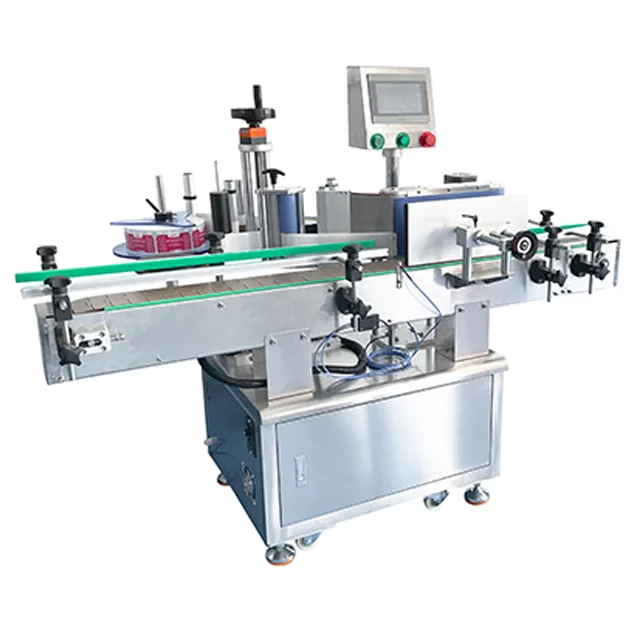
2. Understanding Self-Adhesive Labeling Machines
Self-adhesive labeling machines, also known as pressure-sensitive labeling machines, use pre-coated adhesive labels with a release liner. The label is peeled from its backing and applied directly to the container surface.
How They Work
The labeling process typically includes:
-
Feeding containers into the labeling station
-
Separating the label from its backing paper
-
Applying the label using a roller or applicator pad
-
Pressing the label firmly onto the surface
Key Features
-
Uses pre-cut self-adhesive labels
-
No need for additional glue systems
-
High precision and flexibility
-
Suitable for various container shapes
Common Applications
Self-adhesive labeling is used in:
-
Food and beverage industries
-
Cosmetics and personal care products
-
Pharmaceuticals
-
Specialty and premium products
3. Key Differences Between Wrap-Around and Self-Adhesive Labeling Machines
3.1 Labeling Method
The most fundamental difference lies in how the label is applied.
Wrap-around machines use glue to attach labels, requiring a mechanical bonding process. In contrast, self-adhesive machines rely on pressure-sensitive adhesives already integrated into the label.
3.2 Equipment Complexity
Wrap-around labeling systems are typically more complex due to the adhesive application system. They require:
-
Glue tanks
-
Heating systems (for hot melt)
-
Maintenance of adhesive consistency
Self-adhesive systems are generally simpler, with fewer mechanical components, making them easier to operate and maintain.
3.3 Label Material
Wrap-around machines usually use paper labels supplied in rolls, which are more cost-effective but less versatile in terms of design.
Self-adhesive machines can handle a wide range of materials, including:
-
Paper
-
Film (PP, PET)
-
Foil
-
Laminated materials
This allows for more premium finishes and advanced branding.
3.4 Flexibility and Design
Self-adhesive labeling machines offer greater flexibility in label design. They can handle:
-
Complex shapes
-
Multi-layer labels
-
Transparent or high-gloss finishes
Wrap-around labeling is generally limited to cylindrical containers and simpler designs.
3.5 Production Speed
Wrap-around labeling machines are often favored for high-speed production lines due to their continuous operation and efficient wrapping mechanism.
Self-adhesive machines are also fast but may be slightly slower in comparison, especially when handling complex label shapes or materials.
3.6 Cost Considerations
Wrap-around labeling systems tend to have:
-
Lower label material costs
-
Higher equipment and maintenance costs due to adhesive systems
Self-adhesive labeling systems typically involve:
-
Higher label material costs
-
Lower maintenance and operational complexity
4. Advantages and Disadvantages of Wrap-Around Labeling Machines
Advantages
-
Cost Efficiency in Label Materials
Paper labels used in wrap-around systems are generally cheaper than self-adhesive labels. -
High-Speed Production
Ideal for large-scale manufacturing with continuous operation. -
Strong Adhesion
Glue ensures labels remain firmly attached, even in challenging environments. -
Simple Label Design
Suitable for basic branding and standard information labeling.
Disadvantages
-
Adhesive System Maintenance
Requires regular maintenance and cleaning to prevent clogging and inconsistencies. -
Limited Design Flexibility
Not suitable for complex or premium label designs. -
Material Limitations
Primarily restricted to paper labels. -
Environmental Concerns
Glue usage may involve additional environmental considerations.
5. Advantages and Disadvantages of Self-Adhesive Labeling Machines
Advantages
-
High Versatility
Compatible with a wide range of label materials and container shapes. -
Superior Label Quality
Supports premium finishes, enhancing product appeal. -
Easy Operation
Simple setup with minimal maintenance requirements. -
Clean Application
No glue means no mess, reducing downtime and cleaning effort.
Disadvantages
-
Higher Label Costs
Self-adhesive labels are more expensive than paper labels used in wrap-around systems. -
Backing Waste
The release liner generates additional waste, requiring disposal or recycling. -
Potential Adhesive Limitations
Adhesive performance may vary depending on environmental conditions.
6. Factors to Consider When Choosing Between the Two
Selecting the right labeling machine depends on several critical factors:
6.1 Production Volume
-
High-volume production lines benefit from wrap-around machines due to their speed and cost efficiency.
-
Medium to high-volume operations with varied product lines may prefer self-adhesive machines.
6.2 Product Type
-
Cylindrical, uniform containers are ideal for wrap-around labeling.
-
Irregular or uniquely shaped containers are better suited for self-adhesive labeling.
6.3 Label Design Requirements
-
If your product requires premium branding, multiple layers, or special finishes, self-adhesive labeling is the better choice.
-
For simple, cost-effective labeling, wrap-around systems are sufficient.
6.4 Budget Constraints
-
Limited budget for materials favors wrap-around labeling.
-
A higher budget with emphasis on branding favors self-adhesive labeling.
6.5 Maintenance Capabilities
-
Companies with strong maintenance capabilities can manage wrap-around systems more effectively.
-
Facilities looking for low-maintenance solutions may prefer self-adhesive systems.
7. Industry Use Cases
Food and Beverage Industry
Companies like Krones and Sidel provide labeling solutions for large beverage and canned food manufacturers. Wrap-around machines dominate this sector due to their speed and efficiency.
Pet Food Industry
Pet food brands often use self-adhesive labeling for premium packaging and branding differentiation.
Cosmetics and Pharmaceuticals
Self-adhesive labeling is the preferred choice due to its precision, flexibility, and ability to support high-end packaging designs.
8. Automation and Future Trends
Modern labeling systems are becoming increasingly automated and integrated with smart manufacturing technologies. Features such as:
-
IoT monitoring
-
Automatic label adjustment
-
Real-time quality control
-
Predictive maintenance
are becoming standard in both wrap-around and self-adhesive systems.
Sustainability is also a growing focus, with manufacturers exploring:
-
Eco-friendly label materials
-
Reduced adhesive usage
-
Recyclable liner solutions
9. Which One Is Better?
The answer depends entirely on your production requirements, budget, and product positioning.
Choose Wrap-Around Labeling Machines If:
-
You need high-speed, large-scale production
-
You are labeling standard cylindrical cans
-
Cost efficiency is a priority
-
Your design requirements are simple
Choose Self-Adhesive Labeling Machines If:
-
You require flexibility in label design
-
Your containers vary in shape and size
-
You prioritize premium branding
-
You want easier operation and maintenance
Conclusion
Both wrap-around and self-adhesive canned labeling machines offer significant advantages, but they serve different purposes within the packaging ecosystem. Wrap-around machines excel in high-speed, cost-effective applications, making them ideal for mass production environments. On the other hand, self-adhesive labeling machines provide unmatched flexibility, precision, and design possibilities, making them the preferred choice for premium and diversified product lines.
Ultimately, the best choice depends on balancing production efficiency, cost considerations, and branding goals. By carefully evaluating your operational needs and market positioning, you can select the labeling solution that maximizes both productivity and product appeal.
http://www.beiltpack.com
beiltpack -
-
AuthorPosts

- You must be logged in to reply to this topic.