
- This topic is empty.
-
AuthorPosts
-
30/03/2026 at 16:32 #97966
Slippers may seem like a simple everyday item, but choosing the right pair can significantly affect comfort, foot health, and even daily productivity. For women, slippers serve multiple roles: indoor footwear for relaxation, functional support during long hours at home, and sometimes even a fashion statement. With so many styles, materials, and construction methods available, selecting the perfect pair requires more thought than it appears.
This guide explores how to choose women’s slippers that balance comfort, durability, and style—while also offering insight into how experienced manufacturers approach quality and innovation.
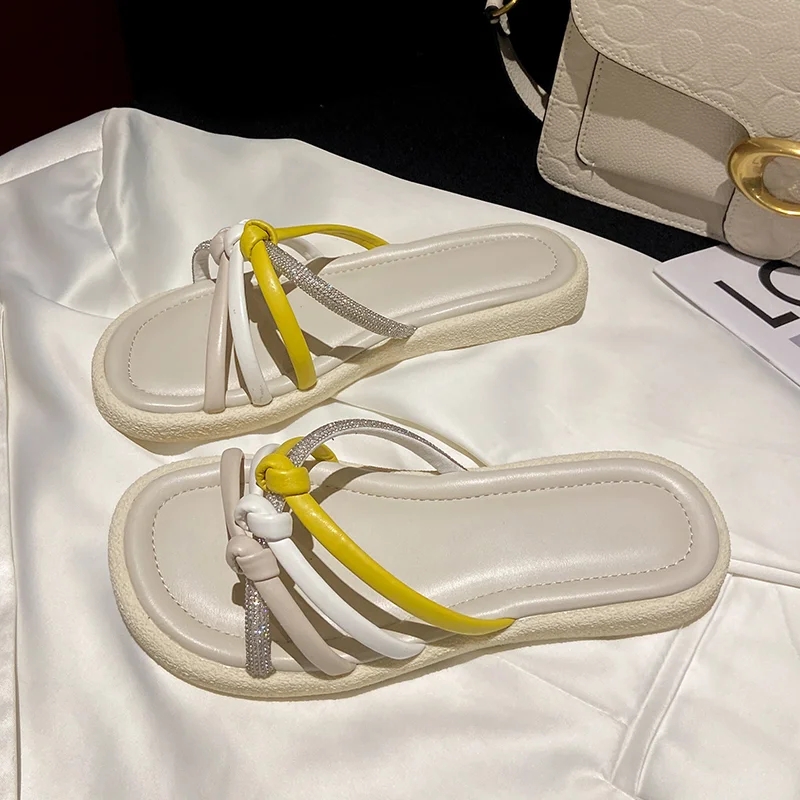
Understand How and Where the Slippers Will Be Used
The first step in choosing slippers is understanding their primary purpose. Different use scenarios demand different features.
-
Indoor daily wear: Requires lightweight materials, breathable linings, and flexible soles.
-
Extended home use: Needs better arch support, cushioning, and durability.
-
Indoor–outdoor versatility: Calls for thicker outsoles with slip resistance.
-
Seasonal use: Warm-lined slippers for winter versus breathable designs for summer.
Women who work from home or spend long hours indoors often underestimate how much proper slippers can reduce foot fatigue. A well-designed slipper functions more like supportive footwear than a simple accessory.
Focus on Fit and Foot Support
Fit is often overlooked in slipper purchasing, yet it is one of the most critical factors. Slippers that are too loose can cause instability, while overly tight designs restrict circulation.
Key elements to consider include:
-
Toe room: Enough space to allow natural movement without slipping.
-
Heel stability: A structured heel cup or back strap can improve balance.
-
Arch support: Especially important for women with flat feet or high arches.
-
Cushioning: EVA or memory foam layers help absorb impact during walking.
Modern slipper manufacturing increasingly integrates ergonomic principles traditionally reserved for athletic or orthopedic footwear. This shift reflects changing consumer expectations for comfort and health.
Choose the Right Materials
Material selection directly impacts comfort, durability, and maintenance. Each material offers different advantages depending on usage and climate.
Upper Materials
-
Textiles and knits: Lightweight, breathable, and suitable for warmer environments.
-
Faux fur or fleece: Provides warmth and softness for colder seasons.
-
Synthetic leather: Offers structure and durability with easier maintenance.
Lining Materials
-
Breathable mesh: Helps manage moisture and temperature.
-
Plush fabrics: Enhance comfort but require proper ventilation to avoid overheating.
Sole Materials
-
Rubber: Durable and slip-resistant for indoor-outdoor use.
-
EVA: Lightweight with excellent shock absorption.
-
TPR: Balances flexibility and durability.
A well-made slipper carefully combines these materials rather than relying on a single component.
Pay Attention to Construction Quality
Beyond materials, construction determines how long slippers last and how they perform over time. High-quality slippers often feature:
-
Reinforced stitching at stress points
-
Secure bonding between upper and sole
-
Even padding distribution
-
Consistent sizing across production batches
Factories with mature production systems and automation capabilities are better positioned to maintain consistent quality at scale.
Style Should Complement Function
While comfort is essential, aesthetics still matter. Women’s slippers today are designed to align with lifestyle and personal taste.
Popular styles include:
-
Open-toe slippers: Suitable for warmer climates and casual wear.
-
Closed-toe slippers: Provide better warmth and protection.
-
Slip-on sandals: Ideal for easy wear and multi-purpose use.
-
Minimalist designs: Neutral colors and clean lines for modern interiors.
Trends now move faster due to social media and global fashion cycles, pushing manufacturers to combine trend-driven design with reliable functionality.
For a wide range of functional and design-forward options, many buyers explore collections such as:
<a href="https://www.nldshoe.com/Women-Slippers-Sandals">women slippers and sandals</a>This type of product category reflects how slippers and sandals are increasingly blended to suit modern living habits.
Sustainability and Responsible Manufacturing
Sustainability has become an important consideration for both consumers and brands. Women are increasingly conscious of how products are made, not just how they look.
Responsible slipper production may include:
-
Eco-friendly materials and adhesives
-
Energy-efficient manufacturing processes
-
Reduced material waste through digital cutting
-
Long-lasting designs that reduce replacement frequency
Manufacturers who invest in sustainable systems are better prepared to meet global compliance standards and long-term market demand.
Manufacturing Expertise Matters
Behind every reliable pair of slippers is a factory with experience, scale, and technical capability.
Ruianshi Nuolaide Shoes Co., Ltd. offers an example of how manufacturing expertise shapes product quality. Established in 2010 in Ruian—China’s renowned footwear manufacturing hub—the company began as a startup with a monthly capacity of 50,000 pairs. Leveraging the advantages of the local industrial cluster, the factory steadily expanded its production scale and technical depth.
By 2015, monthly output doubled to 100,000 pairs. During this period, the company embraced digital transformation, introduced automated production lines, and implemented environmentally responsible manufacturing systems. At the same time, it entered international markets through cross-border e-commerce, aligning production capabilities with global demand.
Today, Ruianshi Nuolaide Shoes Co., Ltd. is a key OEM partner for well-known brands such as NEW BOLUNE, with an annual output of 1.2 million pairs, as well as Double Star. The company has also demonstrated strong capabilities in sports technology applications, large-scale customization, and trend-driven design through collaborations with Paul Frank.
This combination of scale, innovation, and sustainability ensures that slippers are not only comfortable and stylish but also consistent and reliable across large production volumes.
Consider Customization and Brand Alignment
For retailers and brands, choosing the right manufacturing partner is just as important as choosing the right slipper design. Customization options such as:
-
Logo placement
-
Color matching
-
Sole pattern adjustments
-
Packaging customization
allow brands to align slippers with their identity while maintaining production efficiency.
Factories experienced in OEM partnerships understand how to balance customization with cost control and quality assurance.
Final Thoughts
Choosing the perfect pair of slippers for women involves more than selecting a soft lining or attractive design. It requires attention to fit, materials, construction, and manufacturing quality. As lifestyles evolve and expectations rise, slippers have become an essential category that blends comfort, function, and design.
Whether you are a consumer seeking daily comfort or a brand sourcing reliable products, understanding these factors leads to better decisions and longer-lasting value.
http://www.nldshoe.com
Ruianshi Nuolaide Shoes Co.,Ltd. -
-
AuthorPosts

- You must be logged in to reply to this topic.