
- This topic is empty.
-
AuthorPosts
-
24/07/2026 at 11:49 #98978
Luxury packaging serves a much greater purpose than simply protecting a product during transportation. It communicates brand value, creates an emotional connection with customers, and enhances the overall unboxing experience. From premium jewelry cases and cosmetic gift boxes to wine packaging, electronics presentation boxes, and high-end accessories, the quality of the box lining directly influences how consumers perceive the product.
Among the many materials used in premium packaging, flocking cloth remains one of the most popular choices because of its elegant appearance and soft touch. However, choosing the right flocking cloth involves much more than selecting a color or texture. Manufacturers must evaluate material structure, fiber quality, production consistency, environmental compliance, and compatibility with packaging processes. This guide explains the essential factors to consider when sourcing flocking cloth for luxury packaging.
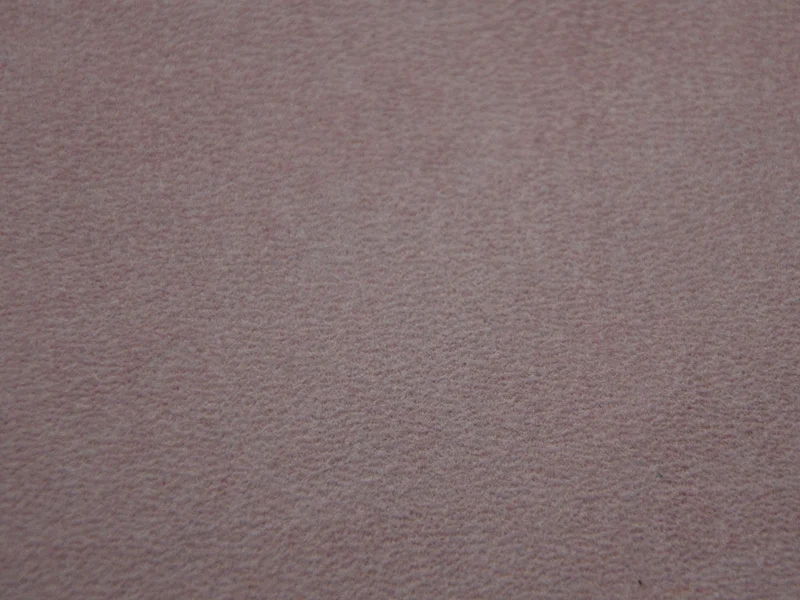
The Importance of Flocking Cloth in Premium Packaging
Flocking cloth has become a preferred lining material for rigid boxes, display trays, and molded inserts because it combines both functional and decorative benefits.
Some of its key advantages include:
-
A smooth velvet-like appearance that enhances product presentation
-
A soft surface that helps protect delicate products from scratches
-
Improved friction to keep products securely positioned
-
A premium tactile experience that reinforces brand quality
For luxury products, customers often interact with the packaging before handling the item itself. A refined flocking cloth immediately communicates craftsmanship and attention to detail, making it an essential component of premium packaging design.
Understanding How Flocking Cloth Is Made
To make an informed purchasing decision, it is useful to understand the basic construction of flocking cloth.
A typical flocking material consists of several layers:
-
A substrate, which may be woven fabric, nonwoven fabric, knitted material, or paper
-
An adhesive coating
-
Electrostatically applied fibers
-
Optional finishing or lamination treatments
During production, fibers are positioned vertically through electrostatic technology, producing the characteristic velvet surface. The overall quality depends on several production factors, including fiber density, fiber length, adhesive performance, and finishing precision.
For luxury packaging, evenly distributed fibers and a uniform surface are especially important, as any irregularities can significantly reduce the perceived quality of the finished product.
Factors to Consider When Selecting Flocking Cloth
Fiber Material and Fiber Length
The performance of flocking cloth is largely influenced by the type of fiber used.
Common options include:
-
Nylon
-
Polyester
-
Rayon
Among these materials, nylon and polyester are generally favored for premium packaging because they provide excellent durability, color retention, and long-term performance.
Short fibers create a refined, smooth finish that works particularly well for jewelry boxes, watches, and luxury accessories. Longer fibers offer a softer touch and are commonly selected for cosmetic packaging and premium gift boxes.
If products will experience extended storage periods or international transportation, choosing resilient fibers becomes even more important.
Fiber Density and Surface Uniformity
Fiber density has a direct impact on both appearance and protection.
High-density flocking provides several benefits:
-
Richer visual texture
-
Better cushioning performance
-
Complete surface coverage without exposing the substrate
Although lower-density materials may reduce material costs, they often produce uneven surfaces and inconsistent color under lighting. These imperfections become particularly noticeable on luxury packaging, where appearance is closely associated with brand value.
Compatibility with Packaging Materials
Flocking cloth must integrate smoothly with the packaging materials used during production.
Luxury boxes are commonly manufactured from:
-
Rigid paperboard
-
MDF
-
Plastic trays
-
Thermoformed inserts
Before selecting a flocking cloth, manufacturers should evaluate:
-
Adhesion performance
-
Lamination compatibility
-
Folding flexibility around corners
-
Die-cutting quality
High-quality flocking materials should cut cleanly without fraying while maintaining excellent flexibility during box assembly. Consistent quality across production batches is equally important, particularly for export projects that require long-term supply stability.
Additional product information is available here:
<a href="https://www.blxflocking.com/flocking-cloth.html">flocking cloth</a>
Sustainability Has Become a Major Purchasing Requirement
Environmental responsibility is becoming an increasingly important consideration for premium brands.
Many customers now require packaging materials that support sustainability objectives, including:
-
Recyclable materials
-
Recycled raw materials
-
Supply chain traceability
-
International environmental certifications
Huizhou Baolongxing Flocking Co., Ltd. specializes in environmentally friendly flocking materials and has obtained certifications including ISCC and GRS. These internationally recognized certifications are particularly valuable for customers serving European and North American markets, where sustainability standards continue to rise.
Certified materials not only support regulatory compliance but also strengthen ESG initiatives and corporate sustainability reporting.
Color Performance and Production Consistency
Luxury packaging relies heavily on consistent color reproduction.
When evaluating flocking cloth, manufacturers should pay close attention to:
-
Color consistency between production batches
-
Resistance to fading
-
Abrasion resistance
-
Color stability under different lighting environments
Premium packaging often features sophisticated colors such as black, navy blue, burgundy, or forest green. Achieving consistent color depth across large production volumes requires advanced dyeing technology and strict quality management.
Huizhou Baolongxing Flocking Co., Ltd. operates modern dyeing equipment alongside multiple automated flocking production lines, allowing stable color control and uniform fiber distribution throughout production.
Advantages of Integrated Manufacturing
Luxury packaging projects often involve additional processing beyond flocking.
Common post-processing services include:
-
Adhesive lamination
-
Back coating
-
Roll slitting
-
Customized width cutting
-
Roll or sheet conversion
Working with a manufacturer capable of completing these processes in-house simplifies project management and improves production efficiency.
Huizhou Baolongxing Flocking Co., Ltd. offers integrated manufacturing through advanced flocking production lines, dyeing facilities, adhesive lamination equipment, post-processing systems, and precision slitting machinery. This one-stop production model helps maintain consistent quality from raw materials through finished products.
For packaging manufacturers, integrated production offers several advantages:
-
Faster production schedules
-
Simplified supplier coordination
-
Improved quality consistency
-
More reliable supply chain management
The company also supports international exports through ports in mainland China, Hong Kong, and Vietnam, providing flexible logistics solutions for global customers.
Selecting Materials for Different Packaging Applications
Different packaging products require different flocking specifications.
Jewelry Boxes
Recommended characteristics include:
-
High fiber density
-
Short velvet fibers
-
Matte appearance
-
Excellent die-cut precision
-
Scratch-resistant surface
Cosmetic Packaging
Preferred features include:
-
Soft touch
-
Strong adhesion to molded trays
-
Stable color matching
-
Attractive visual presentation
Wine and Gift Packaging
Suitable flocking cloth should provide:
-
Excellent wear resistance
-
Rich color saturation
-
Good structural support
-
Long-term durability
Electronics and Watch Packaging
Important performance requirements include:
-
Anti-static properties where required
-
Durable surface finish
-
Precise cutting performance
-
Reliable edge folding
Regardless of the application, conducting production trials before mass purchasing remains the best way to verify compatibility.
Questions to Ask Before Purchasing
When discussing a project with a supplier, it is useful to ask:
-
Which fiber material is being used?
-
What is the flocking density?
-
Are ISCC or GRS certifications available?
-
What backing options are offered?
-
How is color consistency maintained?
-
What testing is performed for adhesion and abrasion resistance?
-
What export support can be provided?
These discussions help identify potential production risks before large-scale manufacturing begins.
Common Purchasing Mistakes
Several mistakes frequently lead to packaging quality problems.
These include:
-
Judging materials only by softness while ignoring fiber density
-
Failing to verify adhesive compatibility
-
Overlooking environmental certification requirements
-
Prioritizing lower prices over long-term quality
-
Skipping lamination or production testing
Although these issues may appear minor initially, they often become highly visible in luxury packaging applications.
Industry Trends
The flocking cloth industry continues to evolve as packaging requirements become more demanding.
Current trends include:
-
Wider adoption of recycled polyester fibers
-
Greater emphasis on material traceability
-
Development of thinner but denser flocking materials
-
Improved lamination technologies
-
More localized supply chains to support faster international delivery
Manufacturers capable of combining sustainable production, stable quality, integrated processing, and efficient export logistics will continue to gain competitive advantages in the premium packaging market.
Conclusion
Selecting flocking cloth for luxury packaging requires balancing appearance, durability, sustainability, and manufacturing efficiency. The ideal material should not only deliver an attractive velvet finish but also perform reliably throughout production and transportation.
By partnering with an experienced manufacturer that offers certified sustainable materials, advanced flocking technology, integrated processing capabilities, and global export support, packaging manufacturers can reduce production risks while maintaining consistent product quality. Huizhou Baolongxing Flocking Co., Ltd. provides a comprehensive one-stop manufacturing solution that helps premium brands achieve reliable quality, stronger brand presentation, and long-term supply stability.
http://www.blxflocking.com
Huizhou Baolongxing Flocking Co., Ltd. -
-
AuthorPosts

- You must be logged in to reply to this topic.