
- This topic is empty.
-
AuthorPosts
-
26/10/2026 at 14:53 #100095
For cement plants, mineral processing facilities, dry mortar manufacturers, and other bulk material handling operations, truck loading is an important link between production and transportation. A loading system that cannot maintain a consistent material flow or position the discharge point correctly may cause spillage, additional cleanup, and unnecessary interruptions to vehicle dispatch.
An open truck bulk loading machine is designed to transfer bulk materials from a storage or conveying system into an open truck. To select suitable equipment, buyers need to consider more than rated capacity. Loading accuracy, wear resistance, dust collection, automation, and compatibility with the existing plant layout all influence daily performance.
Shanghai EBO Electromechanical Equipment Co., Ltd. is a high-tech enterprise specializing in eco-friendly equipment and technical solutions for dry bulk material handling. Its Open Truck Bulk Loading Machine is developed for applications involving materials such as cement, fly ash, mineral powder, dry mortar, and chemical powder.
Why Loading Accuracy Matters
In bulk material handling, accurate loading means controlling where the material enters the truck, maintaining a suitable flow, and coordinating the loading process with the vehicle's position and the required loading quantity.
Several practical problems can affect loading results:
-
Incorrect positioning: Material may fall outside the truck body if the discharge point is not properly aligned.
-
Unstable feeding: Fluctuations in material supply can make the loading process difficult to control.
-
Dust escape: Fine powders may disperse around the loading area when material falls through an inadequately controlled discharge point.
-
Equipment wear: Continuous operation and abrasive materials can affect the condition of the hopper and other material-contact components.
-
Inconsistent operating procedures: Excessive manual adjustment can make loading less consistent between vehicles.
These issues are closely connected. A suitable loading machine needs to work with the upstream feeding system, the truck dimensions, and the site's operating procedures.
Product Design Features That Support Daily Operation
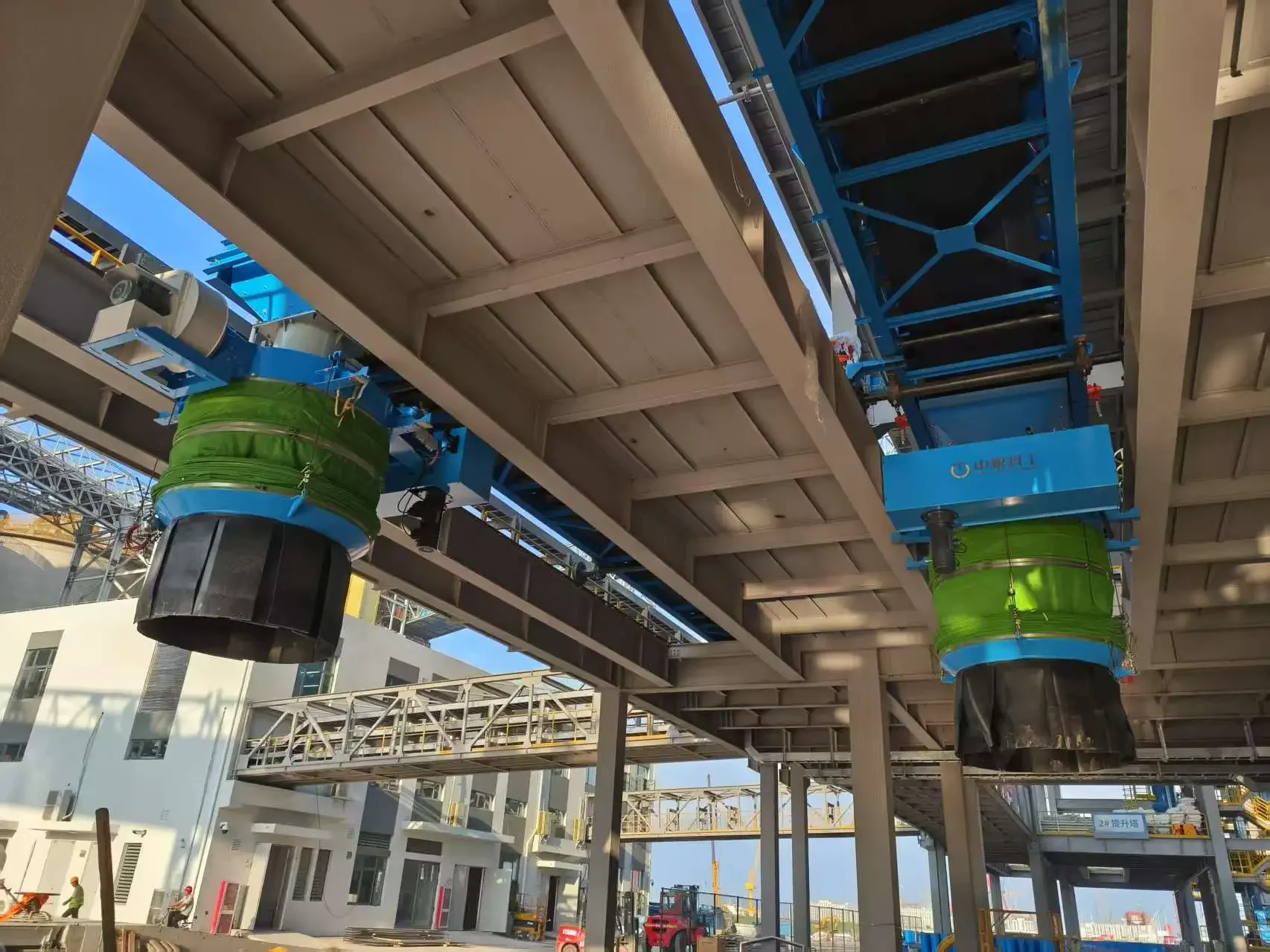
EBO's Open Truck Bulk Loading Machine combines several design features intended to support controlled material loading and routine industrial use.
1. High-precision level detection
Level detection components help the system identify relevant loading conditions. The required setup depends on the application, including whether the priority is detecting material level, controlling the loading sequence, or supporting automatic positioning.
EBO's product information also identifies automatic truck positioning as a function available for its light-duty model. Buyers should confirm the precise function and configuration required for their project.
2. Heavy-duty, wear-resistant hopper
The hopper is a key material-contact component. When handling cement, mineral powder, and other bulk materials over repeated operating cycles, a durable hopper design is important for managing wear and supporting maintenance planning.
The appropriate wear protection depends on the characteristics of the material being handled and the expected operating conditions.
3. Telescopic fabric bag
The external telescopic fabric bag helps guide material toward the truck's loading area. EBO specifies a high-strength fabric design with a surface intended to be easy to clean.
Its condition and positioning affect the loading process, so the fabric, connections, and movement components should be inspected regularly.
4. Integrated dust collection
Fine powders can become airborne during truck loading, particularly around the discharge point. EBO's product combines loading functions with dust removal measures to help control dust dispersion.
The final dust control arrangement should be selected according to the material, loading conditions, and environmental requirements of the facility.
Selecting the Right Loading Capacity
Loading capacity is an important purchasing parameter, but the required model should be determined by the actual production and dispatch schedule.
EBO lists loading efficiency of up to 300 t/h for its Open Truck Bulk Loading Machine product range. The light-duty model is specified at less than 300 t/h, with a working stroke of 465–2,815 mm. Actual throughput depends on the selected model, material characteristics, upstream feeding conditions, truck dimensions, and operating procedures.
Before selecting a machine, buyers should establish:
-
The quantity of material dispatched per shift.
-
The average number of trucks loaded per hour.
-
The required loading quantity per vehicle.
-
The time needed for truck positioning and departure.
-
The available supply capacity from the silo or conveyor.
-
The working stroke required for the truck dimensions.
These details help distinguish the equipment's rated capacity from the practical throughput of the complete loading station.
A loading machine cannot compensate for an undersized upstream supply system. Coordinating the loading equipment with the silo outlet and conveying arrangement is therefore essential when planning a new installation or upgrading an existing facility.
Equipment Configurations for Different Projects
Industrial facilities vary in their available space, automation requirements, installation conditions, and material handling processes. EBO offers several configurations to accommodate different project needs:
-
Standard Bulk Loading Machine
-
Integrated Powder Bulk Loading Machine
-
Modular Standard Bulk Loading Machine
-
Intelligent Modular Integrated Bulk Loading Machine
These configurations give buyers options to evaluate according to the required equipment arrangement and level of system integration.
For example, a facility replacing an existing loading machine may prioritize compatibility with its current silo and conveyor layout. A new loading station may require a more integrated arrangement that coordinates feeding, loading, and control functions.
The most suitable configuration should be confirmed through technical discussion with the manufacturer. Buyers should clarify the scope of supply, working dimensions, control functions, dust collection arrangement, and installation requirements before finalizing the specification.
Dust Control and Maintenance Considerations
Dust control is an important part of loading powdered materials into open trucks. A well-planned arrangement should consider the discharge point, telescopic fabric bag, dust collection equipment, and the way the machine connects to the upstream material supply.
EBO's product information describes an integrated loading and dust removal arrangement, including a filter element designed for convenient disassembly and installation. This can be relevant when planning routine cleaning and maintenance.
However, dust control performance depends on the complete installation and operating conditions. Buyers should confirm whether the proposed configuration meets the environmental requirements of their site and whether additional measures are necessary for the specific material.
Maintenance planning should cover the following areas:
-
Inspecting the hopper and other wear-prone components.
-
Checking the fabric bag and its connections for damage.
-
Keeping the filter and dust collection system in suitable operating condition.
-
Checking the movement and lifting mechanisms.
-
Reviewing control functions and relevant safety devices.
-
Following the recommended inspection and replacement schedule.
For facilities operating multiple shifts, clear maintenance procedures can help reduce avoidable interruptions and make equipment condition easier to track.
Why Consider Shanghai EBO as Your Equipment Manufacturer?
Choosing a bulk loading machine involves more than comparing product specifications. Buyers also need to consider whether the equipment manufacturer understands the application, can clarify technical requirements, and can provide a configuration that fits the plant's material handling process.
Shanghai EBO Electromechanical Equipment Co., Ltd. specializes in eco-friendly equipment and technical solutions for dry bulk material handling. Its product portfolio covers bulk loading equipment and other equipment used in bulk material transfer and handling applications.
For an open truck loading project, the technical discussion should focus on the actual operating environment rather than a generic machine specification. Relevant information includes:
-
Material type and flow characteristics.
-
Required loading capacity.
-
Truck dimensions and loading height.
-
Existing silo and conveyor arrangement.
-
Available installation space.
-
Dust control requirements.
-
Desired level of automation.
-
Maintenance access and operating schedule.
Providing these details helps establish the appropriate equipment configuration and identify potential integration requirements before installation.
You can review the company's product information through the official Shanghai EBO website.
A Practical Checklist Before Purchasing
Before confirming an order, buyers should verify that the proposed machine meets the project's operational requirements.
Checkpoint Questions to confirm Material compatibility Is the configuration suitable for the intended bulk material? Loading capacity Does the rated range fit the plant's dispatch requirements? Working dimensions Is the working stroke suitable for the truck and loading area? Level detection Which detection and positioning functions are included? Dust collection What dust control components are supplied? Control system Which loading functions are automated? System integration How will the machine connect to the silo and conveying equipment? Maintenance Can wear-prone parts and filter components be inspected and serviced conveniently? This checklist helps buyers compare technical proposals on a consistent basis and reduces the risk of overlooking practical requirements during procurement.
Conclusion
An open truck bulk loading machine needs to do more than transfer material into a vehicle. It should support accurate positioning, stable feeding, effective dust management, and reliable operation under the site's actual working conditions.
Shanghai EBO's Open Truck Bulk Loading Machine features a wear-resistant hopper, a telescopic fabric bag, level detection components, integrated dust removal, and configurable control options. Its range of equipment configurations allows buyers to evaluate solutions for different loading layouts and integration requirements.
For manufacturers and bulk material handling project buyers, the best starting point is to define the material, truck dimensions, required throughput, environmental conditions, and existing conveying arrangement. With these requirements clearly established, it becomes easier to select a suitable machine and plan a loading system that supports consistent day-to-day operations.
http://www.ebobulk.com
Shanghai EBO Electromechanical Equipment Co., Ltd. -
-
AuthorPosts

- You must be logged in to reply to this topic.