
- This topic is empty.
-
AuthorPosts
-
12/06/2026 at 18:51 #98646
Stainless steel angles are widely used in construction, engineering structures, equipment frames, and industrial fabrication. Among the most commonly selected materials are 304 and 316L stainless steel angles, both known for their strength, corrosion resistance, and versatility. However, choosing the right grade depends heavily on the specific environment and application requirements.
Understanding the differences between these two materials can help ensure better performance, longer service life, and more cost-effective project decisions.
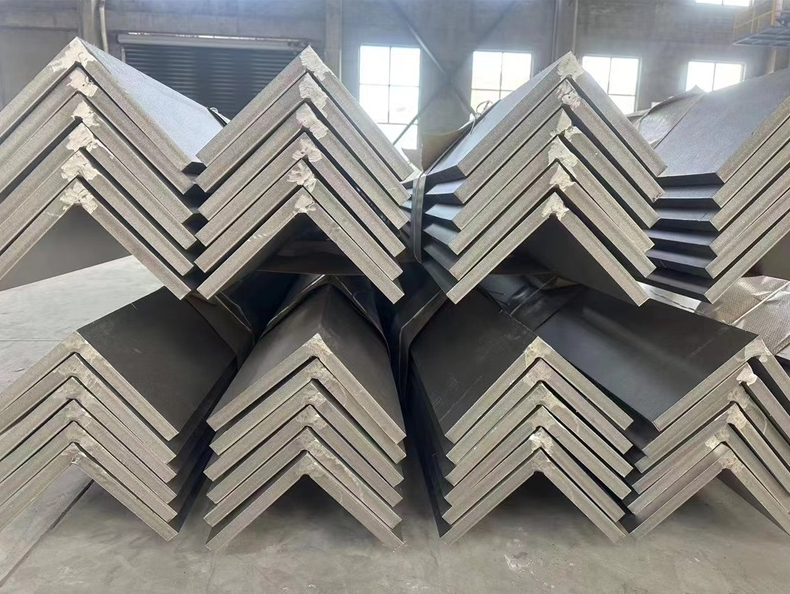
Overview of 304 and 316L Stainless Steel Angles
304 stainless steel is one of the most widely used austenitic stainless steels. It offers a good balance of strength, corrosion resistance, and affordability, making it suitable for general-purpose applications.
316L stainless steel is an upgraded version with added molybdenum, which significantly improves its resistance to corrosion, especially in harsh or chloride-rich environments. The “L” indicates low carbon content, which enhances weldability and reduces the risk of corrosion after welding.
Both materials are commonly formed into angle shapes used for structural support and reinforcement in various industries.
Corrosion Resistance Differences
The most important distinction between 304 and 316L lies in corrosion resistance.
304 stainless steel performs well in most indoor and mild outdoor environments. It resists rust and oxidation under normal atmospheric conditions, making it suitable for architectural and general fabrication uses.
316L stainless steel offers superior resistance to corrosion, particularly in environments exposed to saltwater, chemicals, or high humidity. This makes it a preferred choice for marine applications, coastal structures, chemical processing equipment, and pharmaceutical environments.
If the project involves exposure to aggressive conditions, 316L is generally the more reliable option.
Strength and Mechanical Performance
Both 304 and 316L stainless steel angles provide excellent mechanical strength and structural stability. In most engineering applications, their load-bearing capabilities are quite similar.
However, 316L may retain slightly better performance in extreme environments due to its enhanced resistance to pitting and crevice corrosion. In standard structural use, the difference in strength between the two grades is not typically significant enough to be the primary selection factor.
Weldability and Fabrication Characteristics
304 stainless steel is known for its excellent fabrication properties. It is easy to cut, form, and weld, making it a popular choice for general manufacturing and construction projects.
316L also offers good weldability, and its low carbon content helps reduce the risk of carbide precipitation during welding. This improves corrosion resistance in welded areas, especially in critical applications.
Both materials are suitable for machining and forming processes, but proper handling techniques are important to maintain surface quality and structural integrity.
Cost Considerations
Cost is often a deciding factor when choosing between 304 and 316L stainless steel angles.
304 is generally more affordable and provides sufficient performance for most standard applications. It is widely used in building structures, interior frameworks, and general industrial projects where extreme corrosion resistance is not required.
316L is more expensive due to its enhanced alloy composition and superior corrosion resistance. However, in environments where durability and long-term reliability are critical, the higher upfront cost can be justified by reduced maintenance and longer service life.
Typical Application Scenarios
304 stainless steel angles are commonly used in indoor construction, decorative structures, equipment frames, food processing environments, and general fabrication projects.
316L stainless steel angles are preferred in marine engineering, coastal infrastructure, chemical plants, medical equipment, and outdoor installations exposed to harsh weather conditions.
Selecting the correct grade based on the application environment is essential for ensuring performance and durability.
How to Choose Between 304 and 316L
When deciding between the two materials, the key factor is the operating environment rather than just cost.
If the application is in a controlled indoor environment or mild outdoor conditions, 304 is usually sufficient. If the structure will be exposed to saltwater, chemicals, or high levels of moisture, 316L is the safer and more durable choice.
It is also important to consider maintenance expectations and lifecycle costs when making the final decision.
Conclusion
Both 304 and 316L stainless steel angles are high-quality materials widely used in industrial and structural applications. While 304 offers a cost-effective solution for general use, 316L provides enhanced corrosion resistance for demanding environments.
Choosing the right grade ensures better performance, improved durability, and reduced long-term maintenance costs. Understanding the specific requirements of your project is the key to making the most suitable material selection.
http://www.hzstainlesssteel.com
Wuxi Huazheng Stainless Steel Co., Ltd. -
AuthorPosts

- You must be logged in to reply to this topic.