
- This topic is empty.
-
AuthorPosts
-
08/12/2025 at 11:45 #96891
In modern industrial and commercial cleaning processes, efficiency, precision, and consistency are paramount. Traditional cleaning methods such as manual scrubbing, chemical soaking, or simple pressure washing often fall short when it comes to intricate components, delicate surfaces, or high-volume production. This is where high-power ultrasonic generators have emerged as a transformative technology, enabling superior cleaning performance across multiple industries. This article provides a comprehensive overview of the use, benefits, working principles, and practical considerations of high-power ultrasonic generators in cleaning applications.
Understanding High Power Ultrasonic Generators
An ultrasonic generator is an electronic device that converts standard electrical energy into high-frequency electrical signals. These signals are then transmitted to an ultrasonic transducer, which converts the electrical signals into mechanical vibrations, producing ultrasonic waves. When applied in a cleaning medium such as water or a specialized cleaning solution, these ultrasonic waves generate cavitation bubbles—microscopic vacuum bubbles that implode rapidly. The implosion of these bubbles releases significant energy, effectively removing contaminants from surfaces without the need for harsh scrubbing or abrasive materials.
High-power ultrasonic generators distinguish themselves from standard ultrasonic units by delivering higher wattage and more robust, stable signals. Typically operating in the range of hundreds to thousands of watts, these generators are capable of handling larger cleaning tanks, denser contaminants, or higher volumes of workpieces, making them ideal for industrial and commercial cleaning applications.
The Working Principle of Ultrasonic Cleaning
The effectiveness of ultrasonic cleaning relies on the principle of cavitation. Cavitation occurs when high-frequency sound waves propagate through a liquid, creating regions of low pressure. Tiny bubbles form in these regions and grow rapidly until they reach a critical size and collapse violently. The energy released during this collapse produces localized high temperatures and pressure shocks, which dislodge dirt, grease, oil, and other contaminants from surfaces. Importantly, this process can reach even microscopic crevices, blind holes, and complex geometries that conventional cleaning methods cannot access.
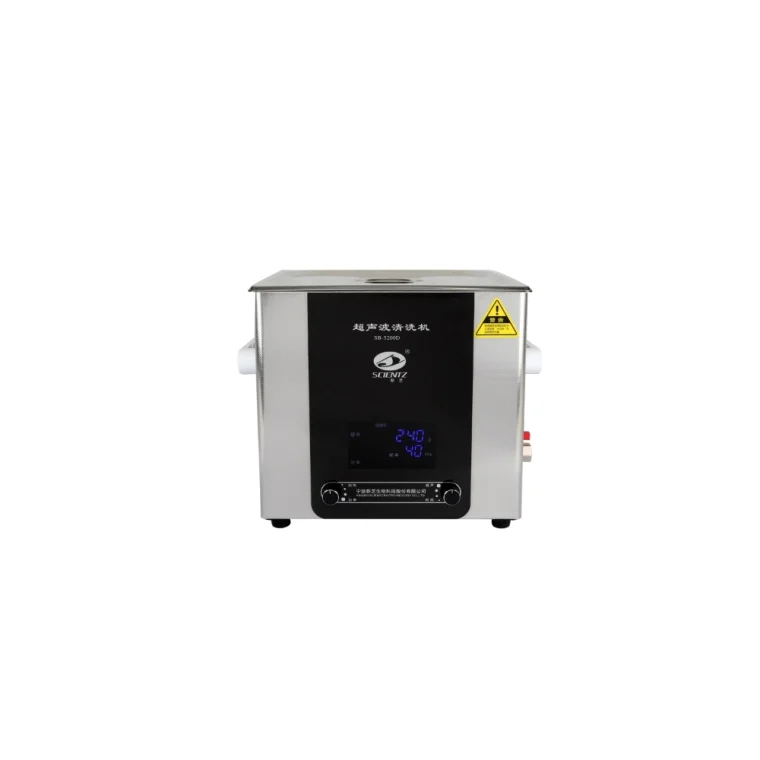
A typical high-power ultrasonic cleaning system consists of three main components:
-
Ultrasonic Generator: Converts standard AC power into high-frequency electrical signals. Modern generators often include adjustable frequency and power controls to optimize cleaning for different materials and contamination levels.
-
Ultrasonic Transducer: Converts electrical signals into mechanical vibrations. Piezoelectric transducers are most commonly used due to their efficiency and reliability.
-
Cleaning Tank: Holds the cleaning solution and workpieces. The tank design is crucial for achieving uniform ultrasonic energy distribution.
The generator controls the amplitude and frequency of the ultrasonic waves. High power generators provide sufficient energy to maintain strong cavitation even in large tanks or viscous solutions, ensuring consistent cleaning results.
Applications Across Industries
High power ultrasonic generators are widely used in industries where precision and cleanliness are critical. Key applications include:
1. Medical and Dental Instruments
In healthcare, ensuring the sterility of surgical instruments, dental tools, and laboratory equipment is non-negotiable. High-power ultrasonic cleaning systems can remove microscopic blood, tissue, and biofilm residues effectively, preparing instruments for subsequent sterilization.
2. Electronics Manufacturing
Ultrasonic cleaning is essential in electronics assembly, especially for printed circuit boards (PCBs). Flux residues, solder particles, and fine dust are removed without damaging delicate components, ensuring higher product reliability and longevity.
3. Automotive and Aerospace Components
Complex engine parts, fuel injectors, and turbine blades often have intricate geometries that trap contaminants. High-power ultrasonic generators enable thorough cleaning of these parts, improving performance and reducing maintenance downtime.
4. Jewelry and Precision Metal Parts
Ultrasonic cleaning is favored in the jewelry industry for removing polishing compounds, oils, and fingerprints without scratching delicate surfaces. Similarly, precision metal components benefit from uniform cleaning even in blind holes or threaded areas.
5. Laboratory and Research Applications
Laboratories dealing with chemical residues, glassware, or sensitive instruments use high-power ultrasonic cleaning for precise and repeatable cleaning results. The non-abrasive nature of ultrasonic cleaning preserves delicate samples and materials.
Advantages of High Power Ultrasonic Cleaning
High-power ultrasonic generators offer numerous advantages over conventional cleaning methods:
-
Thorough Cleaning: Cavitation reaches even the most inaccessible areas, ensuring complete removal of contaminants.
-
Time Efficiency: High-power generators accelerate the cleaning process, reducing cycle times and boosting production efficiency.
-
Non-Damaging: Unlike abrasive scrubbing or harsh chemicals, ultrasonic cleaning preserves the integrity of delicate materials.
-
Reduced Chemical Usage: Strong ultrasonic energy allows effective cleaning with minimal or milder detergents, lowering environmental impact.
-
Scalability: High-power systems can handle large volumes, industrial parts, or multiple workpieces simultaneously, making them suitable for production-scale operations.
Key Considerations for Implementation
While high-power ultrasonic generators offer impressive capabilities, several factors should be considered to maximize effectiveness:
Frequency Selection
Ultrasonic generators operate in frequencies ranging from 20 kHz to over 100 kHz. Lower frequencies (20–40 kHz) produce more aggressive cavitation suitable for heavy-duty cleaning, while higher frequencies (80–120 kHz) are gentler, ideal for delicate surfaces.
Power Density and Tank Size
The power delivered per unit volume of cleaning solution affects cleaning efficiency. Larger tanks require higher wattage generators to maintain uniform cavitation throughout the solution.
Cleaning Solution
The choice of cleaning fluid impacts cavitation effectiveness. Water-based detergents, solvents, or specialized cleaning solutions may be used depending on the type of contaminant and material compatibility.
Maintenance and Reliability
High-power ultrasonic generators should be regularly inspected for issues such as transducer wear, tank damage, or generator overheating. Preventive maintenance ensures consistent performance and extends equipment lifespan.
Future Trends
With the ongoing advancement of materials and manufacturing complexity, the demand for high-power ultrasonic cleaning solutions continues to grow. Emerging trends include:
-
Intelligent Ultrasonic Generators: Equipped with digital controls, sensors, and automation capabilities for optimized cleaning cycles.
-
Energy-Efficient Designs: New generators focus on minimizing power consumption while maintaining high cleaning performance.
-
Integration with Robotics: Ultrasonic cleaning integrated into automated production lines for seamless manufacturing workflows.
-
Eco-Friendly Solutions: Reduced chemical usage and water recycling techniques are increasingly adopted to meet environmental regulations.
Conclusion
High-power ultrasonic generators have revolutionized cleaning applications across diverse industries, providing unmatched precision, efficiency, and versatility. From medical instruments to aerospace components, these generators enable thorough, non-damaging cleaning that traditional methods cannot achieve. By understanding the principles, advantages, and practical considerations of high-power ultrasonic cleaning systems, industries can optimize their cleaning processes, reduce operational costs, and enhance product quality. As technology advances, the future of high-power ultrasonic generators promises even greater efficiency, automation, and sustainability, making them indispensable in modern cleaning operations.
http://www.dscientz.com
dscientz -
-
AuthorPosts

- You must be logged in to reply to this topic.