
- This topic is empty.
-
AuthorPosts
-
05/01/2026 at 14:03 #97258
As the global demand for clean energy continues to rise, solar photovoltaic (PV) systems have become an essential solution for both residential and commercial energy needs. JA Solar panels, known worldwide for their high efficiency, durability, and reliability, are a popular choice for rooftop solar installations. However, to maximize their performance and ensure safety, proper installation is critical. Incorrect installation can reduce energy output, shorten system lifespan, and even create safety hazards. This article provides a comprehensive guide to installation considerations for JA Solar panels on rooftop PV systems, covering pre-installation preparation, installation steps, and long-term maintenance.
1. Pre-Installation Preparation
1.1 Roof Structure Assessment
Before installing JA Solar panels, it is crucial to assess the structural integrity of the roof. Most solar panels weigh between 15 to 25 kilograms per square meter. If the roof is old or structurally weak, reinforcement may be necessary. The type of roof material also influences the mounting method. For example, tiled roofs, flat roofs, and metal roofs each require specific mounting solutions to ensure stability.
1.2 Roof Orientation and Tilt Angle
The orientation and tilt angle of solar panels directly affect their energy generation efficiency. In the northern hemisphere, rooftop solar systems should ideally face south, with a tilt angle close to the latitude of the location, generally around 30°. For JA Solar panels, proper orientation and tilt can significantly increase annual energy production, improving the system’s return on investment.
1.3 Shading and Obstruction Analysis
Nearby buildings, chimneys, or trees may cast shadows on the rooftop, reducing energy output. Before installation, perform a thorough shading analysis to ensure JA Solar panels receive sufficient sunlight. In partially shaded areas, consider using microinverters or power optimizers to mitigate shading effects and maintain efficiency.
1.4 Electrical Design and System Planning
A detailed electrical design plan is essential for safe and efficient operation. Considerations include the series and parallel configuration of solar panels, inverter selection, combiner box placement, and cable routing. JA Solar panels typically operate at high DC voltage, so correct voltage matching and safe distances are essential to prevent system malfunctions.
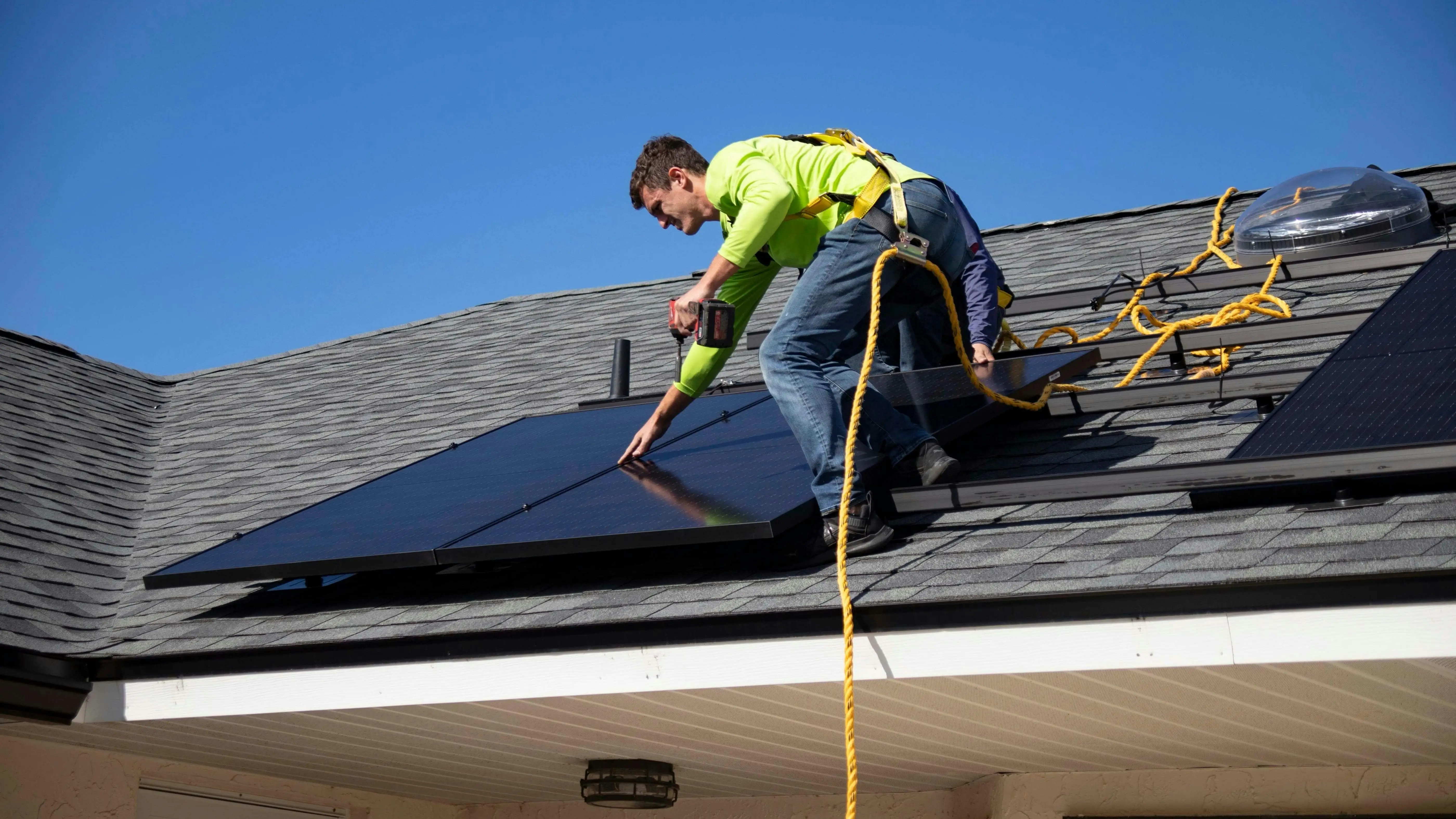
2. Installation Steps and Considerations
2.1 Selecting and Securing Mounting Structures
Mounting structures form the backbone of a rooftop PV system, ensuring the panels remain stable under wind and snow loads. When selecting mounting structures:
-
Leveling and Stability: The racks must be securely fixed to the roof structure to prevent shaking or loosening.
-
Corrosion Resistance: Metal racks should be treated for corrosion resistance to extend lifespan.
-
Spacing: Ensure proper spacing between racks to match JA Solar panel dimensions and maintain uniform alignment.
2.2 Mounting the Panels
When installing JA Solar panels, proper alignment and secure fixing are essential:
-
Use manufacturer-recommended clamps and fasteners to avoid damaging the panel frames.
-
Avoid applying excessive pressure on the glass surface to prevent cracking.
-
Maintain tilt angles and spacing to ensure proper drainage and airflow, which prevent water accumulation and overheating.
2.3 Electrical Connections
Electrical connections are critical to system safety and performance:
-
Follow the system design for series and parallel connections to prevent overvoltage or overcurrent.
-
Use UV-resistant, high-temperature-rated solar cables and tighten all terminal connections securely.
-
Ensure junction boxes are dry and sealed to prevent moisture ingress, which can cause short circuits.
-
For grid-tied systems, connect inverters according to utility regulations and ensure proper grounding.
2.4 Waterproofing
Rooftop penetrations for mounting brackets can compromise waterproofing. To prevent leaks:
-
Use professional-grade sealants or waterproof gaskets for all penetrations.
-
For tiled roofs, use mounting solutions specifically designed to preserve tile integrity.
-
Conduct post-installation waterproof inspections to ensure no leaks occur.
2.5 System Commissioning and Testing
After installation, a thorough system check is essential:
-
Measure open-circuit voltage, short-circuit current, and power output of each JA Solar panel string.
-
Verify inverter-grid compatibility and safety protection systems.
-
Inspect mechanical stability of racks and panels to prevent loose or tilted components.
3. Safety Considerations During Installation
-
Fall Protection: Rooftop work involves heights. Use safety harnesses, guardrails, and helmets to protect installers.
-
Electrical Safety: Solar panels generate high DC voltage in sunlight. Avoid touching exposed conductors and use insulated gloves when necessary.
-
Fire Prevention: Avoid tangled or damaged cables, and ensure electrical components are installed in ventilated, heat-resistant locations.
-
Weather Considerations: Do not install during strong winds, rain, or thunderstorms. Ensure the mounting system can withstand local wind and snow loads.
4. Maintenance and Long-Term Considerations
Regular maintenance ensures JA Solar panels continue to operate efficiently:
4.1 Cleaning
Dust, leaves, and bird droppings reduce energy production. Clean panels periodically using water, avoiding strong acids or alkalis that may damage the surface.
4.2 Inspecting Mounting Structures
Check racks and fasteners regularly. Over time, bolts may loosen, affecting structural integrity.
4.3 Monitoring Performance
Use monitoring systems to track energy output. Address issues such as hotspot formation, power reduction, or loose connections promptly.
4.4 Lightning and Wind Protection
Regularly inspect grounding and lightning protection systems. Ensure panels and structures can withstand local wind and storm conditions.
5. Conclusion
JA Solar panels are renowned for their high efficiency, durability, and reliability, making them an excellent choice for rooftop PV systems. However, proper installation is critical to maximize performance and ensure safety. Pre-installation preparation, including roof assessment, orientation, shading analysis, and electrical planning, is essential. During installation, pay close attention to mounting structures, panel alignment, electrical connections, and waterproofing. Post-installation commissioning, testing, and regular maintenance further guarantee long-term efficiency and safety.
In summary, installing JA Solar panels on rooftops is a technical process that requires careful planning, precise execution, and ongoing maintenance. Following these considerations ensures that the system operates efficiently, generates maximum clean energy, and provides lasting value for residential and commercial users alike.
http://www.jasolarworld.com
JA TECH CO.,LTD. -
-
AuthorPosts

- You must be logged in to reply to this topic.