
- This topic is empty.
-
AuthorPosts
-
28/08/2026 at 11:13 #99441
In today's commercial buildings, elevators serve a much greater purpose than simply carrying people from one floor to another. They influence tenant satisfaction, visitor impressions, building accessibility, daily operating efficiency, and even the overall value of a property. For projects such as office buildings, shopping malls, hotels, hospitals, and mixed-use developments, selecting the right commercial passenger elevator is an important decision that requires careful planning.
The right elevator system can help improve passenger circulation, shorten waiting times, complement the building's interior design, and provide dependable service over many years. In contrast, an unsuitable elevator configuration may cause overcrowding, longer waiting periods, frequent service interruptions, and higher maintenance requirements.
So, what should building owners, developers, architects, and facility managers look at before making a decision? The following factors provide a practical guide to choosing a suitable commercial passenger elevator.
Analyze Passenger Traffic Before Making a Choice
Understanding passenger flow should be the starting point of any commercial elevator project.
The way people move through a building varies significantly depending on its purpose. For example:
-
Office buildings commonly experience heavy traffic at the beginning and end of the working day, with another peak around lunchtime.
-
Hotels need elevators that can provide convenient transportation for guests and staff throughout the day.
-
Shopping centers may experience major fluctuations in passenger volume during weekends, holidays, and promotional events.
-
Hospitals require dependable transportation for patients, medical personnel, visitors, and equipment.
-
Schools and other educational facilities may experience sudden passenger peaks when classes begin or end.
A professional traffic analysis can help determine the appropriate:
-
Elevator capacity
-
Number of elevator units
-
Operating speed
-
Target waiting time
-
Peak-hour handling capacity
Proper traffic planning prevents excessive queues and helps passengers move through the building more efficiently.
Select a Suitable Load Capacity
Commercial passenger elevators are manufactured with different load capacities to accommodate a wide range of applications.
The appropriate capacity should be determined according to factors such as:
-
Expected building occupancy
-
Number of floors
-
Passenger volume
-
Building function
-
Expected usage frequency
A smaller commercial property may only require conventional passenger elevators, whereas a large office complex or shopping center may need higher-capacity elevators to handle substantial passenger demand.
Choosing an elevator that is unnecessarily large can increase investment and energy consumption. However, selecting one with insufficient capacity may create overcrowding and reduce passenger satisfaction. Finding the right balance is therefore essential.
Determine the Right Elevator Speed
Elevator speed has a direct impact on travel time and the overall user experience. However, the fastest possible elevator is not always the most appropriate solution.
Low-Rise Buildings
For buildings with a limited number of floors, moderate-speed elevators are generally sufficient and can provide efficient transportation without unnecessary complexity.
Mid-Rise Buildings
Commercial and office buildings of medium height may benefit from faster elevators that reduce travel time between floors, particularly during busy periods.
High-Rise Buildings
Tall commercial buildings require sophisticated high-speed elevator systems designed to transport passengers over greater distances while maintaining stable and comfortable operation.
The ideal elevator speed should therefore be selected according to building height, passenger flow, and comfort requirements.
Make Safety a Top Priority
Passenger safety should always be one of the most important factors in elevator selection.
A modern commercial elevator should incorporate appropriate safety and emergency functions, such as:
-
Emergency braking systems
-
Automatic rescue operation
-
Door safety and protection systems
-
Overload detection
-
Fire emergency recall
-
Backup power systems
-
Remote or real-time operating monitoring
The equipment should also comply with applicable local regulations and international safety requirements.
Experienced elevator manufacturers typically place strong emphasis on engineering design, component testing, production quality control, and safety verification. These measures are essential for achieving stable and secure elevator operation over the long term.
Look for Energy-Saving Technologies
Elevators are part of a building's ongoing energy consumption, so efficiency should be considered during the selection process.
Modern elevator solutions can incorporate technologies such as:
-
Regenerative drive systems
-
LED cabin lighting
-
Automatic standby or sleep modes
-
High-efficiency motors
-
Intelligent elevator control systems
These technologies can reduce unnecessary energy consumption while supporting the property's broader sustainability objectives.
For commercial developments pursuing green building standards or energy-efficiency targets, choosing an energy-efficient elevator system can also contribute to the overall environmental performance of the building.
Evaluate Ride Quality and Passenger Comfort
The elevator experience can strongly influence how occupants and visitors perceive a commercial property.
Several technical factors affect ride comfort, including:
-
Smooth starting and stopping
-
Controlled acceleration and deceleration
-
Reduced operating noise
-
Effective vibration control
-
Accurate floor leveling
-
Proper cabin ventilation
Advanced drive and control technologies, together with reliable mechanical and electrical components, can provide a smoother and quieter ride.
For hotels, premium offices, commercial centers, and other high-end properties, passenger comfort can be particularly important because it contributes to both customer satisfaction and the perceived quality of the building.
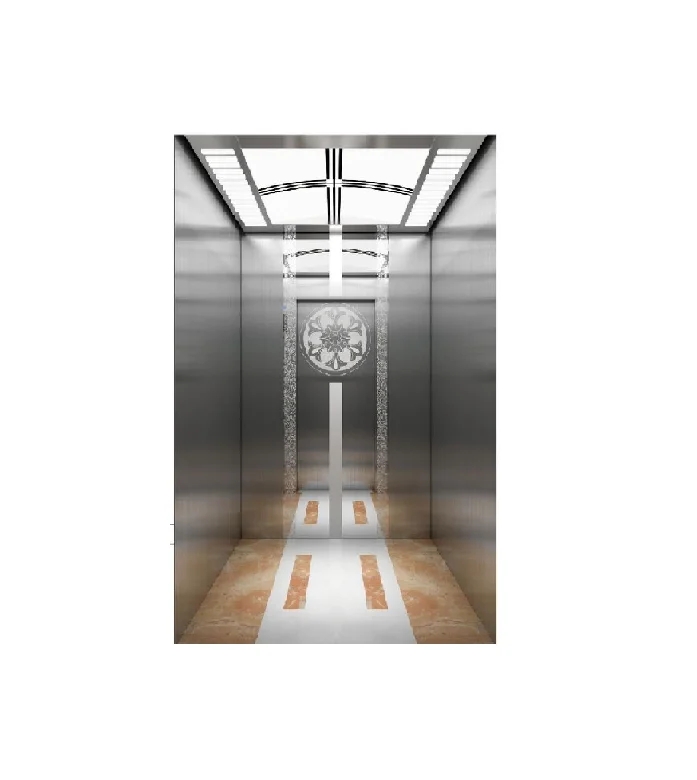
Match the Elevator Interior to the Building Design
An elevator cabin is also part of the building's interior environment. Its design can have a noticeable impact on the overall visual impression of a property.
Cabin materials, lighting, flooring, handrails, ceiling styles, and decorative finishes can be selected to coordinate with the architectural concept.
Many commercial properties choose customized elevator interiors to create a consistent visual identity or reinforce their brand image. Building owners can explore different Passenger Elevator Car Decoration options to find a style that matches the intended environment.
A well-designed cabin does more than improve appearance. It can make the elevator feel like an integrated part of the building rather than an independent functional installation.
Examine Reliability and Manufacturing Quality
Elevators are expected to operate frequently and consistently, often throughout the entire day. For this reason, reliability should be carefully assessed before purchasing equipment.
When comparing potential suppliers, consider their:
-
Manufacturing capabilities
-
Quality management procedures
-
Component quality and durability
-
Testing and inspection processes
-
Experience in elevator manufacturing
A dependable elevator system can reduce unexpected downtime and minimize interruptions to normal building operations.
Although initial product selection is important, building owners should also think about long-term performance. Investing in reliable equipment and quality components can help reduce lifecycle maintenance requirements and improve overall operational stability.
Consider Intelligent Elevator Control
Digital technologies are changing the way commercial elevators are operated and managed.
Depending on the project, modern elevator systems may offer functions such as:
-
Destination control
-
Intelligent group control
-
Touch-free operation
-
Mobile-based access or control
-
Remote fault diagnosis
-
Predictive maintenance functions
Intelligent control technologies can analyze passenger demand and optimize elevator dispatching. This can help reduce unnecessary stops, improve traffic distribution, and shorten passenger waiting times.
As commercial buildings increasingly adopt smart building technologies, intelligent elevator systems can become an important part of the overall building management strategy.
Check Accessibility Requirements
An elevator must be convenient and usable for people with different mobility and accessibility needs.
Depending on applicable regulations and project requirements, accessibility features may include:
-
Braille control buttons
-
Voice announcements
-
Wider entrances
-
Wheelchair-friendly cabin dimensions
-
Accessible control panel heights
-
Visual floor and direction indicators
Meeting accessibility requirements helps create a more inclusive environment for tenants, employees, visitors, patients, and other building users.
Accessibility should be incorporated into the elevator design during the early planning stage rather than added after the main system has already been designed.
Review Installation and After-Sales Service
Selecting suitable equipment is only one part of a successful elevator project. Professional installation, maintenance, and technical support are equally important.
Before selecting a supplier, building owners should evaluate:
-
Installation experience
-
Project coordination capabilities
-
Technical service resources
-
Availability of spare parts
-
Routine maintenance services
-
Emergency support capabilities
Effective after-sales service can help keep elevators operating reliably and may extend the useful life of the equipment.
For this reason, it is often better to work with a manufacturer that can support the complete elevator lifecycle, from initial design and installation through maintenance and technical assistance.
Plan for Future Building Requirements
A commercial building's needs may change after the elevator system has been installed. Occupancy may increase, building functions may change, or additional floors and facilities may be introduced.
When selecting an elevator system, consider possible future requirements such as:
-
Growth in building occupancy
-
Future expansion projects
-
Control system upgrades
-
Changes in passenger traffic
-
New building management technologies
A scalable elevator solution can make future upgrades easier and help avoid expensive modifications when building requirements change.
Why an Experienced Elevator Manufacturer Is Important
The performance of a commercial elevator system is closely related to the experience and capabilities of the manufacturer. Choosing a supplier with comprehensive project support can make a significant difference throughout the entire service life of the equipment.
FUJI Elevator (Huzhou) Co., Ltd. is a modern elevator enterprise integrating design, research and development, manufacturing, sales, installation, and maintenance. Located in Huzhou, Zhejiang Province, China, the company has advanced manufacturing facilities and comprehensive testing equipment designed to support the production of safe, reliable, and comfortable vertical transportation systems for customers around the world.
Its product range covers a variety of applications, including:
-
Passenger elevators
-
Home elevators
-
Observation elevators
-
Villa elevators
-
Hospital elevators
-
Freight elevators
-
Vehicle elevators
-
Escalators
-
Moving walkways
The company places emphasis on technological development, manufacturing quality, and systematic quality management. These efforts help ensure consistent product performance and dependable operation.
Following the philosophy of "Based in China, Serving the World," FUJI Elevator provides comprehensive support around the clock, covering different stages of a project from design consultation and planning to installation, maintenance, and after-sales service.
For commercial building developers, property owners, and facility managers, cooperating with an experienced elevator manufacturer can provide valuable support throughout the project and help ensure that the selected system meets both current and future operational requirements.
Conclusion
Choosing a commercial passenger elevator is not simply a matter of selecting a device that moves people between floors. Passenger traffic, elevator capacity, operating speed, safety, energy efficiency, ride comfort, interior design, reliability, accessibility, and maintenance support all need to be considered as part of the decision-making process.
A properly designed elevator system can improve passenger circulation, support efficient building operations, enhance user satisfaction, and provide reliable service over the long term.
By working with an experienced manufacturer such as FUJI Elevator (Huzhou) Co., Ltd., building owners and developers can access a broader range of elevator technologies, professional project support, and customized solutions that are better suited to the changing requirements of modern commercial buildings.
http://www.fujidsk.com
FUJI Elevator (Huzhou) Co, Ltd. -
-
AuthorPosts

- You must be logged in to reply to this topic.