
- This topic is empty.
-
AuthorPosts
-
01/12/2025 at 11:41 #96830
In today's fast-paced world, emergencies can strike unexpectedly, from natural disasters like hurricanes, earthquakes, and floods to power outages caused by technical failures or extreme weather. In such situations, having a reliable source of power is not just convenient—it’s often essential for safety and communication. One of the most efficient solutions for ensuring uninterrupted power during emergencies is a Lifepo4 battery power bank.
Understanding Lifepo4 Battery Technology
Before diving into emergency preparedness, it’s important to understand what sets Lifepo4 battery power banks apart from traditional lithium-ion power banks. Lifepo4 stands for Lithium Iron Phosphate, a type of lithium battery known for its superior safety, long cycle life, and thermal stability. Unlike conventional lithium-ion batteries, Lifepo4 batteries are far less prone to overheating, fire, or explosion, making them ideal for emergency scenarios where reliability and safety are paramount.
Key characteristics of Lifepo4 batteries include:
-
Long Lifespan: Lifepo4 batteries can typically endure 2000–5000 charge cycles, far exceeding the lifespan of standard lithium-ion batteries. This longevity ensures that a power bank remains functional for many years without significant capacity loss.
-
High Safety: The chemical composition of Lifepo4 is inherently stable, reducing the risk of thermal runaway or combustion. This makes Lifepo4 battery power banks safe to store in homes, vehicles, or emergency kits.
-
Temperature Resilience: Lifepo4 batteries operate efficiently in a wide temperature range, making them suitable for extreme weather conditions, whether it’s freezing winters or scorching summers.
-
Consistent Power Delivery: Unlike other battery types that may experience voltage drops under heavy load, Lifepo4 batteries provide stable output, ensuring that devices like smartphones, radios, and LED lights remain powered when needed most.
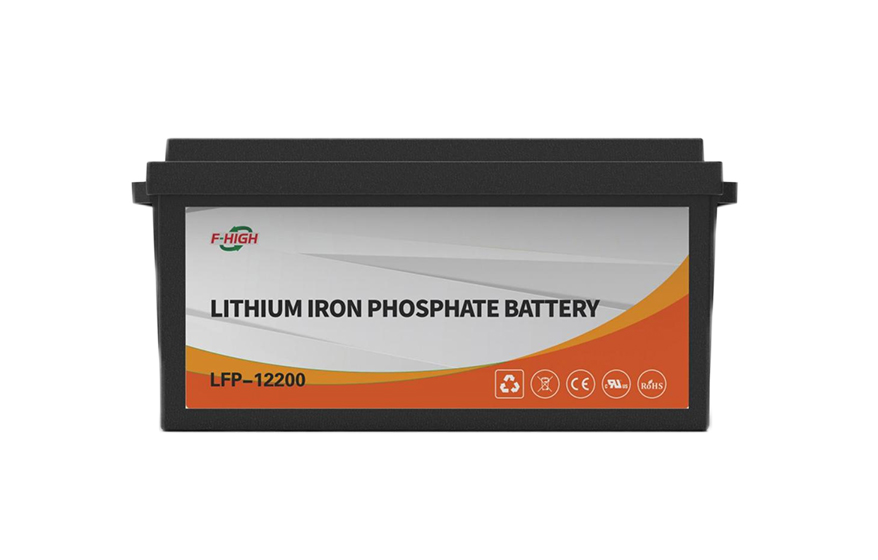
Why Lifepo4 Battery Power Banks Are Essential for Emergency Preparedness
When preparing for emergencies, power availability is crucial. Communication devices, medical equipment, and lighting often rely on electricity, and traditional power grids can fail when disasters strike. Incorporating a Lifepo4 battery power bank into your emergency kit can significantly enhance your readiness. Here’s why:
-
Reliable Communication: During emergencies, mobile phones, satellite phones, and two-way radios are critical for contacting emergency services and staying informed. A Lifepo4 battery power bank can provide multiple full charges, ensuring devices remain operational for days without access to wall power.
-
Medical Device Support: Individuals relying on portable medical devices, such as CPAP machines, oxygen concentrators, or insulin pumps, require a dependable energy source. Lifepo4 battery power banks offer high-capacity, stable power outputs to keep these devices running safely.
-
Lighting and Navigation: Power outages often leave people without lighting, making navigation and safety difficult. Many Lifepo4 battery power banks are designed with multiple output ports, including USB, DC, and even AC outputs, enabling users to power LED lights, lanterns, or emergency radios.
-
Vehicle and Outdoor Support: Lifepo4 battery power banks are often portable and lightweight, making them easy to store in cars, RVs, or camping kits. During road trips, they can serve as backup power sources for vehicle devices, GPS units, and even portable refrigerators.
Choosing the Right Lifepo4 Battery Power Bank for Emergencies
Not all Lifepo4 battery power banks are created equal. When selecting one for emergency preparedness, several factors should be considered:
-
Capacity: Measured in milliamp-hours (mAh) or watt-hours (Wh), capacity determines how many devices and charges a power bank can support. For emergency kits, it’s advisable to choose high-capacity units (20,000–50,000 mAh or 72–180 Wh) to maximize versatility.
-
Output Options: Ensure the power bank provides multiple output types. USB-A and USB-C ports are essential for phones and tablets, while DC or AC outputs can power larger equipment.
-
Portability: While capacity is important, emergency preparedness also demands portability. Lightweight and compact Lifepo4 power banks allow for easy transportation and storage in emergency kits.
-
Durability: In disaster scenarios, devices may be exposed to rough conditions. Look for Lifepo4 power banks with rugged designs, shockproof casings, and water resistance ratings to ensure reliability in harsh environments.
-
Charging Time: Emergencies may require rapid recharge cycles. Many Lifepo4 power banks support fast charging and solar charging options, allowing you to replenish power efficiently when traditional power sources are unavailable.
Integrating LiFePO4 Battery Power Banks into Emergency Kits
A well-prepared emergency kit should include a Lifepo4 battery power bank along with essential devices and supplies. Here’s how to integrate it effectively:
-
Communication: Store smartphones, portable radios, and satellite phones with charging cables connected to the Lifepo4 power bank.
-
Lighting: Include LED lanterns or portable lights that can be powered by the battery.
-
Medical Devices: For those with medical needs, ensure backup batteries for critical devices are compatible with the Lifepo4 power bank outputs.
-
Vehicle Kit: Keep a power bank in your car emergency kit to power phones, GPS devices, and portable air compressors.
-
Solar Charging: If possible, include a compact solar panel compatible with the Lifepo4 power bank to allow renewable energy charging during extended outages.
Best Practices for Maintaining LiFEPO4 Battery Power Banks
To ensure your Lifepo4 battery power bank performs optimally during emergencies, proper maintenance is essential:
-
Regular Charging: Even when not in use, charge the power bank every 3–6 months to maintain battery health.
-
Avoid Extreme Temperatures: While Lifepo4 batteries are more resilient, storing them in excessively hot or cold conditions for prolonged periods can reduce efficiency.
-
Periodic Testing: Test the power bank with your devices periodically to ensure it delivers consistent power.
-
Safe Storage: Store in a dry, cool location, away from flammable materials, to maximize safety and longevity.
Conclusion
In an unpredictable world, a Lifepo4 battery power bank is an indispensable tool for emergency preparedness. Its long lifespan, safety, stable power output, and versatility make it ideal for supporting communication, medical devices, lighting, and outdoor equipment during power outages or disasters.
By carefully selecting a high-capacity, durable Lifepo4 battery power bank and integrating it into your emergency kit, you can ensure peace of mind and readiness for unexpected events. Whether at home, on the road, or in outdoor adventures, Lifepo4 battery power banks empower individuals and families to stay connected, safe, and prepared when it matters most
http://www.highstar-lithium.com
highstar -
-
AuthorPosts

- You must be logged in to reply to this topic.