
- This topic is empty.
-
AuthorPosts
-
06/11/2026 at 09:15 #100227
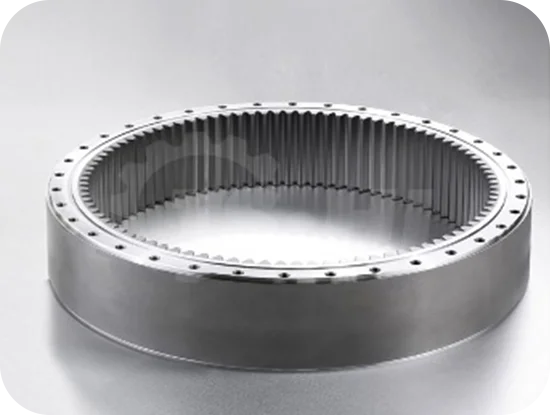
When discussing wind turbine efficiency, people often focus on blade design, generator capacity, or wind conditions. However, the gearbox is another important part of the system that deserves attention. Wind power gears play a key role in transferring mechanical energy from the rotor to the generator, making it possible to convert the rotation of the blades into electrical power.
A wind turbine operates under changing loads and environmental conditions, so its transmission system must be capable of handling substantial torque while maintaining stable operation. Gear design, component selection, and maintenance all have an impact on long-term performance.
In this post, let's take a closer look at how wind power gears work and what factors should be considered when evaluating their efficiency and reliability. Tianshan also offers insights into the importance of gear systems in wind energy applications.
How the Gearbox Transfers Power in a Wind Turbine
One interesting aspect of wind turbine operation is the difference between rotor speed and generator speed.
The rotor blades generally turn at a relatively low speed, commonly around 10–20 RPM. In contrast, many generators are designed to operate at much higher rotational speeds, often approximately 1,500–1,800 RPM. A gearbox bridges this difference by increasing rotational speed while transmitting mechanical power.
A typical wind turbine gearbox may combine planetary gear stages with parallel-shaft gear arrangements. Each stage contributes to the required speed conversion and torque transmission. Planetary gears are particularly useful in applications where high torque capacity and a compact structure are important, while parallel-shaft gears help achieve the required transmission ratio.
This arrangement allows the generator to receive mechanical input at a suitable speed. It also helps the turbine transmission system accommodate changes in operating conditions as wind speeds fluctuate.
Without an appropriate transmission system, a conventional high-speed generator would not be able to operate effectively with the relatively slow rotation of the turbine rotor.
What Determines the Efficiency and Reliability of Wind Power Gears?
A gearbox may appear to be a relatively straightforward mechanical assembly, but its actual performance depends on several interconnected factors. Even small problems in gear geometry, load distribution, or lubrication can affect the operating condition of the entire transmission system.
Here are three important aspects worth considering.
1. Gear Structure and Manufacturing Quality
Gear geometry and structural design have a direct influence on power transmission efficiency. Factors such as tooth profile, contact conditions, material properties, and machining accuracy all affect how smoothly gears operate under load.
Many wind turbine gearboxes use a combination of planetary and helical gear arrangements. These configurations help distribute transmitted loads and achieve the required balance between torque capacity and rotational speed.
Manufacturing precision is equally important. Poor tooth contact or dimensional deviations may increase friction, vibration, and localized stress. Over extended operating periods, these issues can contribute to premature component wear.
For this reason, wind power gear manufacturers need to pay close attention to material selection, heat treatment, machining accuracy, and quality inspection. A well-engineered gear system can reduce unnecessary transmission losses and improve operational reliability.
2. Matching Gearbox Capacity to Operating Requirements
Choosing the right gearbox is not simply a matter of selecting a larger or smaller unit. Its capacity must correspond to the turbine's operating requirements.
An oversized gearbox may introduce unnecessary weight, structural demands, and additional costs. On the other hand, an undersized unit may struggle to withstand the torque and loading conditions generated during turbine operation.
The transmission ratio also requires careful consideration. Increasing the gear ratio raises the output rotational speed, but the gearbox must still maintain sufficient torque capacity and mechanical strength. Engineers therefore need to evaluate speed, torque, load characteristics, and operating conditions together rather than focusing on a single parameter.
Proper gearbox sizing helps ensure that the transmission system operates within its intended performance range and supports stable power generation.
3. Lubrication, Inspection, and Condition Monitoring
Even a well-designed gearbox requires ongoing attention. Wind turbines frequently operate in outdoor environments where temperature variations, humidity, wind loads, and continuous mechanical stress can affect transmission components.
Gear teeth, bearings, and lubrication systems are particularly important inspection points. Insufficient lubrication or contaminated gear oil can increase friction and accelerate wear, potentially leading to more serious mechanical problems.
Condition monitoring provides another way to manage these risks. By tracking operating parameters such as vibration, temperature, and lubricant condition, maintenance teams can identify unusual changes before they develop into major failures.
Regular inspections should include checking gear surfaces, examining bearing conditions, evaluating lubricant quality, and replacing worn or damaged parts when necessary.
Rather than waiting for a gearbox problem to interrupt turbine operation, a preventive maintenance approach can help reduce unexpected downtime, control repair costs, and extend equipment service life.
Final Thoughts
Wind power gears do much more than simply increase rotational speed. They form an essential part of the mechanical transmission system, connecting the low-speed rotor to the generator and helping the turbine operate under different wind conditions.
Their performance depends on several factors, including gear configuration, manufacturing precision, gearbox capacity, and maintenance practices. Planetary gears, helical gears, bearings, shafts, and lubrication systems must work together to support reliable power transmission.
For engineers, turbine operators, and equipment buyers, understanding these aspects is useful when evaluating gearbox performance and planning long-term equipment maintenance.
As wind energy continues to develop, the reliability of transmission components will remain an important consideration in improving turbine operation and supporting more efficient renewable energy generation.
http://www.tianshangear.com
Changzhou Tianshan Heavy Industry Machinery Co., Ltd. -
AuthorPosts

- You must be logged in to reply to this topic.