
- This topic is empty.
-
AuthorPosts
-
18/05/2026 at 11:23 #98332
Dry type transformers have become an essential part of today’s industrial power infrastructure. Compared with traditional oil-immersed transformers, they offer a safer, cleaner, and more maintenance-efficient solution. As industries increasingly prioritize sustainability, efficiency, and operational safety, dry type transformers are seeing wider adoption across manufacturing, energy systems, infrastructure, and commercial developments.
This article provides a restructured overview of the key application areas of dry type transformers in modern industry, along with insights into how established manufacturers such as Dingmao (DM) contribute to ongoing technological improvements and product reliability.
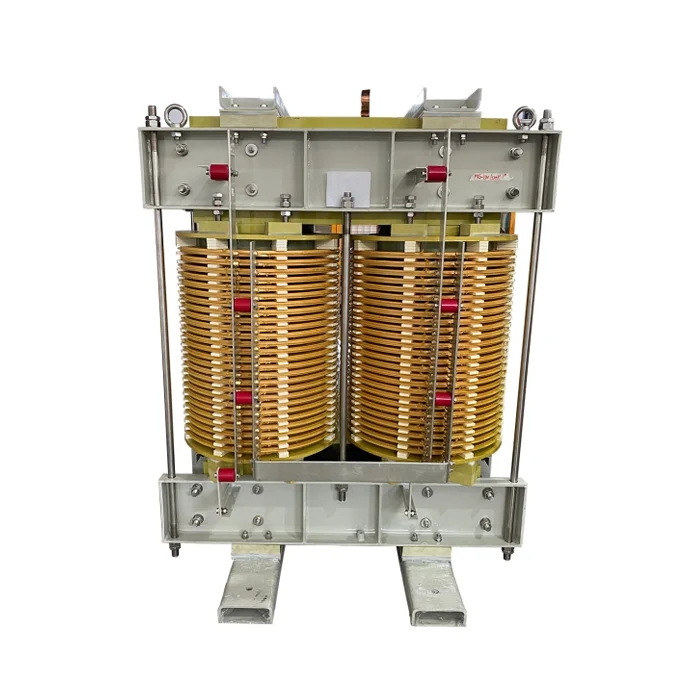
What Are Dry Type Transformers?
Dry type transformers are electrical transformers that rely on air or solid insulation materials instead of liquid insulating oil. By eliminating oil-based cooling mediums, they significantly reduce fire risk and remove concerns related to leakage or environmental contamination.
Main advantages include:
-
Improved fire safety performance
-
Lower maintenance requirements over time
-
Environmentally responsible operation
-
Reliable performance in humid, dusty, or polluted environments
-
Flexible installation with compact design
With long-standing engineering experience, Dingmao (DM)—a family-run manufacturer founded in Taiwan in 1970—has developed a strong presence in the global transformer industry. The company focuses on transformer cores, key active components, and complete transformer systems designed to meet stringent international standards.
1. Commercial and High-Rise Buildings
Dry type transformers are commonly installed in office buildings, shopping centers, hospitals, and hotels, where safety and space efficiency are top priorities.
Why they are suitable:
-
No oil leakage risk in populated areas
-
Strong fire resistance in enclosed environments
-
Quiet operation ideal for public spaces
-
Can be installed closer to load centers
In skyscrapers and complex building structures, placing transformers near the point of use helps reduce energy loss, and dry type designs make this safe and practical.
2. Renewable Energy Applications
The rapid growth of renewable energy has increased the demand for reliable transformer solutions, especially in solar and wind power systems.
Key use cases:
-
Solar photovoltaic power stations
-
Wind turbine step-up systems
-
Energy storage integration facilities
Dry type transformers perform well in outdoor and semi-harsh environments such as solar farms, where dust, temperature variations, and humidity can be challenging.
Through earlier cooperation with GE Prolec in amorphous steel core development, Dingmao (DM) has helped improve transformer efficiency and reduce energy losses, making its products particularly suitable for green energy projects.
3. Industrial Manufacturing Facilities
Factories require stable and continuous power distribution to maintain production efficiency. Dry type transformers are widely used in sectors such as automotive, metallurgy, chemicals, and electronics manufacturing.
Key benefits in industry:
-
Strong resistance to dust, vibration, and humidity
-
Reduced downtime for maintenance
-
Stable long-term performance under heavy load
In demanding production environments where interruptions are costly, their reliability makes them a preferred choice.
Dingmao (DM) has upgraded its manufacturing capabilities through advanced production technologies and the integration of experienced Taiwanese engineering expertise into mainland operations, strengthening both quality and competitiveness.
4. Data Centers and IT Systems
Data centers require extremely stable and secure power infrastructure to support continuous digital operations.
Why dry type transformers are widely used:
-
No oil-related contamination risk for sensitive systems
-
Compact structure saves valuable space
-
High efficiency for heavy computing loads
-
Low interference with electronic equipment
As global digitalization accelerates, these transformers play an increasingly important role in ensuring uninterrupted IT performance.
5. Transportation Infrastructure
Dry type transformers are widely deployed in transport systems such as rail networks, airports, tunnels, and underground metro lines.
Advantages in transportation:
-
Enhanced fire safety in confined spaces
-
Stable operation under fluctuating load conditions
-
Minimal maintenance in difficult-to-access areas
Their safety profile makes them especially suitable for underground or enclosed environments where ventilation is limited.
6. Hospitals and Medical Facilities
Healthcare environments depend on uninterrupted and highly reliable power supply systems.
Typical applications:
-
Medical imaging and diagnostic equipment
-
Emergency and backup power systems
-
Operating rooms and intensive care units
Because they eliminate fire risks associated with oil, dry type transformers are particularly well suited for hospitals where safety and stability are critical.
7. Mining and Harsh Working Conditions
Mining sites expose electrical equipment to dust, moisture, and mechanical stress.
Key advantages:
-
Strong insulation and protective design
-
High resistance to contamination
-
Suitable for confined or hazardous areas
These characteristics make them reliable for both underground and surface mining operations.
8. Marine and Offshore Environments
Ships, offshore platforms, and port facilities require equipment that can withstand corrosive and humid conditions.
Benefits include:
-
No risk of oil leakage into marine environments
-
Compact and lightweight construction
-
Resistance to salt, humidity, and corrosion
These qualities make dry type transformers a safe choice for marine applications.
9. Urban Power Distribution Systems
As cities expand and power demand increases, compact and efficient distribution systems become more important.
Common uses:
-
Urban substations
-
Underground power networks
-
Smart grid infrastructure
Their ability to be installed closer to end users helps reduce transmission losses and improves overall efficiency.
10. Green Buildings and Sustainable Projects
Sustainable construction standards require energy-efficient and environmentally friendly electrical systems.
Contributions of dry type transformers:
-
Lower environmental impact
-
Improved energy efficiency with advanced core materials
-
Compliance with green certification standards
Dingmao (DM)’s use of amorphous core technology supports reduced energy loss, making its products well aligned with global sustainability goals.
Manufacturing Strength and Innovation
Dingmao (DM) has built a strong reputation as a reliable global transformer manufacturer. With decades of industry experience, the company provides:
-
High-efficiency transformer cores
-
Stable and durable active components
-
Customized transformer system solutions
By continuously investing in production upgrades and international partnerships, DM delivers cost-effective yet high-performance products while maintaining strict quality control standards.
For more technical details and product information, you can visit:
Dry Type Transformers
Conclusion
Dry type transformers have become a foundational element in modern electrical infrastructure due to their safety, environmental benefits, and operational reliability. Their applications now span nearly every major industry, including commercial construction, renewable energy, transportation, healthcare, and advanced digital systems.
With continued technological progress and manufacturers like Dingmao (DM) driving innovation, dry type transformers will remain a key solution for building safer, more efficient, and more sustainable power networks in the future.
http://www.dmtransformer.com
Dingmao (DM) -
-
AuthorPosts

- You must be logged in to reply to this topic.