
- This topic is empty.
-
AuthorPosts
-
17/06/2026 at 10:34 #98697
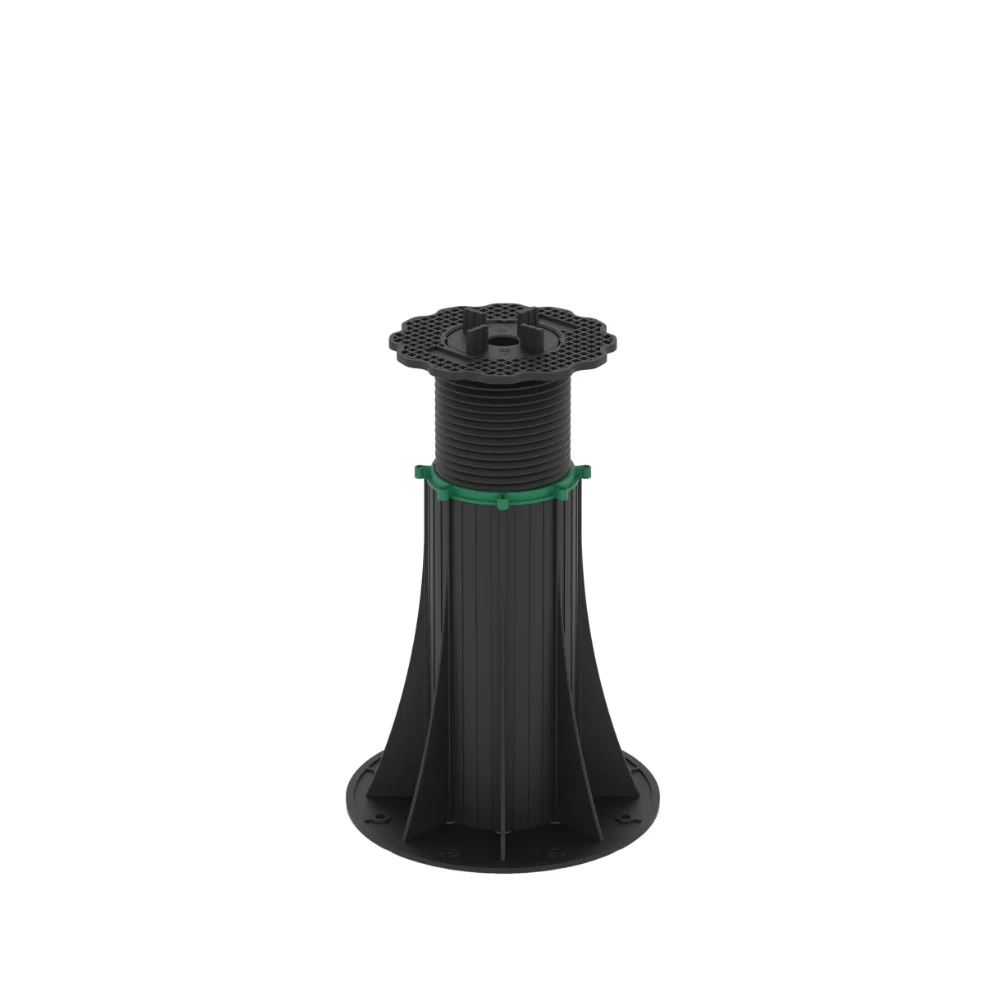
Adjustable tile pedestals are widely used in outdoor flooring systems such as rooftops, terraces, balconies, and raised deck structures. When installed correctly and maintained properly, they help keep surfaces level, improve drainage performance, and extend the lifespan of the entire flooring system.
Homedin Industrial focuses on producing adjustable pedestal systems for tiles and provides application guidance for ensuring long-term stability in real-world conditions.
This post summarizes practical maintenance considerations based on common installation and field-use scenarios.
1. Getting Installation Right from the Start
Most long-term issues actually begin at the installation stage, so accuracy here is critical.
-
Surface preparation matters
The base layer should be properly cleaned and fully even before placing pedestals. Any debris, bumps, or uneven patches can transfer stress directly to the tiles later on. -
Accurate leveling of each unit
Each pedestal should be adjusted carefully so all contact points align to the same height. Even small deviations can lead to visible tile unevenness once the system is loaded. -
Correct spacing layout
Follow the recommended layout pattern from the manufacturer. If spacing is too wide or inconsistent, load distribution becomes uneven and can lead to localized stress or tilting.
2. Managing Load and Usage Conditions
Pedestal systems perform best when loads are predictable and evenly distributed.
-
Respect load ratings
Every pedestal has a defined capacity. This should be checked against tile weight plus any additional loads such as furniture or foot traffic. -
Avoid concentrated weight
Heavy objects should not be placed in one small area. Spreading loads across multiple support points helps maintain stability. -
Consider real usage scenarios
Temporary loads during installation or movement of heavy items should also be taken into account, as they can cause short-term stress or misalignment.
3. Routine Inspection and Basic Maintenance
Regular checks help prevent small issues from turning into structural problems.
-
Visual observation
Look for tilting tiles, uneven gaps, or signs that a pedestal has shifted from its original position. -
Re-check leveling periodically
A simple leveling tool can quickly confirm whether the surface is still even. Minor settlement can be corrected by re-adjusting pedestal height. -
Check structural components
Inspect threaded parts, locking sections, and base contact points. Any worn or loose elements should be replaced early to avoid system-wide issues.
4. Environmental Effects You Should Not Ignore
Outdoor installations are constantly affected by environmental changes.
-
Water drainage control
Standing water around pedestal bases can gradually affect stability. Proper drainage design is essential. -
Sun and UV exposure
Long-term exposure may lead to surface aging or cracking in some materials. Regular inspection helps detect early signs of degradation. -
Temperature cycling (freeze/thaw)
In colder regions, ground movement caused by freezing can shift pedestal positioning. Re-leveling after winter is often necessary.
5. Preventing Movement and Surface Unevenness
Even well-installed systems may slowly shift over time, especially in high-traffic areas.
-
Ensure threaded adjustments remain properly locked after leveling
-
Match pedestal type with tile thickness and material weight
-
Re-adjust heights occasionally in areas with frequent use
Small corrections done early can prevent larger structural adjustments later.
6. Reinforcement in Demanding Installations
For large-scale or high-load projects, additional support strategies may be required.
-
Adding extra support points
In heavy-load zones, increasing pedestal density helps distribute pressure more evenly. -
Structural support enhancement
Larger spans may benefit from additional underlying reinforcement to reduce deflection risk. -
Wind or exposure considerations
In open rooftop environments, mechanical fixing or anchoring methods may help improve stability.
7. Practical Maintenance Habits That Help Long-Term Performance
A few simple habits can significantly extend system lifespan:
-
Perform seasonal inspections instead of waiting for visible issues
-
Keep surfaces clean to prevent debris from affecting leveling accuracy
-
Replace damaged components immediately instead of delaying repairs
-
Maintain a basic record of adjustments and replacements over time
8. Common Questions
Q: How often should these systems be checked?
Typically twice a year is sufficient for standard outdoor setups. High-traffic areas may need more frequent checks.Q: Can they support heavy stone tiles?
Yes, as long as load capacity is verified and weight is distributed properly across multiple pedestals.Q: What if the surface becomes uneven over time?
Usually it can be corrected by re-adjusting individual pedestal heights. Larger shifts may require additional supports.Q: Are environmental factors really that important?
Yes. Water, UV exposure, and temperature changes are some of the most common causes of long-term movement or degradation.Q: Can pedestals be reused?
In most cases yes, but only after inspection, cleaning, and re-leveling to ensure they are still in good condition.
Final Thoughts
Maintaining adjustable tile pedestal systems is not complicated, but it does require consistency. Proper installation, correct load distribution, and periodic inspection are the key factors that keep surfaces stable over time.
With solutions from Homedin Industrial, users can achieve more reliable performance in rooftop decks, terraces, and raised flooring systems, while reducing long-term maintenance risks and improving overall structural stability.
http://www.homedinpedestal.com
Homedin Industrial Co.,Ltd. -
-
AuthorPosts

- You must be logged in to reply to this topic.