
- This topic is empty.
-
AuthorPosts
-
15/06/2026 at 11:50 #98664
Permanent Magnet Synchronous Motors (PMSMs) have become a core technology in today’s industrial drive systems, electric mobility solutions, and energy-saving equipment. Their widespread adoption is not coincidental—it is the result of clear advantages in efficiency, torque density, and operational stability when compared with conventional motor technologies such as induction motors.
To truly understand why PMSMs deliver higher efficiency, it is necessary to go beyond a basic definition. Their performance is shaped by structural design, electromagnetic behavior, and the way they are integrated into modern control and industrial systems.
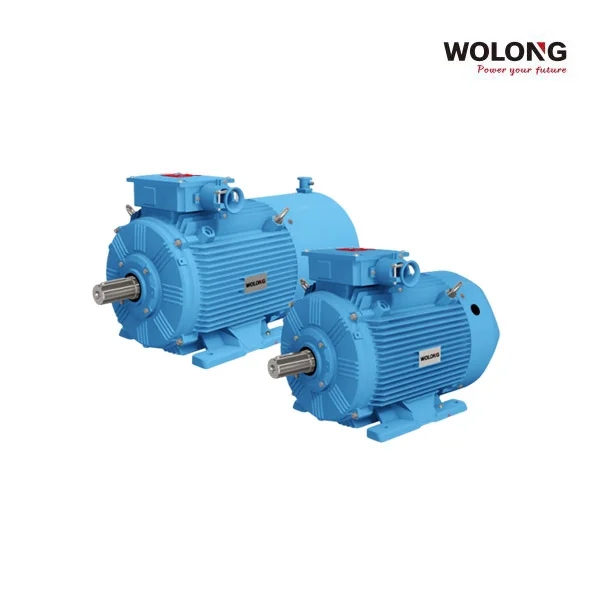
Structural and Operating Principles of PMSMs
A Permanent Magnet Synchronous Motor uses permanent magnets mounted on or embedded within the rotor. Unlike induction motors, which rely on induced current to generate rotor magnetism, PMSMs maintain a constant magnetic field directly through these magnets.
The stator generates a rotating magnetic field, and the rotor follows it in perfect synchrony. Because the rotor rotates in step with the stator field, there is no slip. This eliminates one of the key sources of energy loss found in traditional motor systems.
In addition, since the rotor does not require induced current, copper losses in the rotor are effectively removed. This structural difference is a major reason PMSMs maintain high efficiency across different load conditions, especially in continuous-duty industrial environments where energy consumption accumulates over time.
Key Technical Reasons Behind PMSM Efficiency
Several fundamental engineering factors contribute to the high efficiency of PMSMs:
1. Elimination of Rotor Copper Losses
In induction motors, energy must be supplied to induce rotor current, which leads to significant copper losses. PMSMs avoid this entirely because the rotor magnetic field is provided by permanent magnets.
2. Higher Power Density
PMSMs generate greater torque output relative to their size and weight. This allows for more compact machine designs while maintaining or improving performance, improving overall system-level efficiency.
3. Reduced Thermal Losses
Because internal losses are lower, PMSMs generate less heat during operation. This reduces cooling demands and helps extend the service life of components.
4. Advanced Drive Compatibility
When paired with modern variable frequency drives (VFDs), PMSMs maintain excellent efficiency even under partial load. Vector control methods further enhance precision and energy optimization.
Efficiency Performance in Real-World Applications
While theoretical efficiency is important, actual performance depends heavily on real operating conditions such as load fluctuations, duty cycles, and environmental constraints.
PMSMs are particularly well suited for applications that require both precise speed control and energy efficiency. Common examples include conveyor systems, industrial pumps, compressors, and electric traction systems.
In systems with variable load demands—such as water pumping or ventilation—PMSMs can dynamically adjust output with minimal energy waste. This adaptability provides significant advantages over older motor technologies, especially in energy-sensitive industries.
Importance of System-Level Integration
Motor efficiency cannot be evaluated independently from the system it operates in. The overall performance of a PMSM depends strongly on how well it is integrated with electrical supply systems, control architecture, and mechanical load characteristics.
This is why engineering support and system design expertise are critical. Suppliers that provide both equipment and engineering services can significantly improve overall system performance.
Shanghai Juyue Energy Engineering Co., Ltd. works as a comprehensive industrial solution provider, combining engineering contracting, technology services, and equipment supply. By analyzing customer requirements and project conditions, the company helps ensure that motor systems are properly matched to actual operational needs.
Rather than treating the PMSM as an isolated component, system integration considers the entire configuration—including power distribution, inverter selection, and load behavior. This ensures that efficiency gains are achieved at both the equipment level and the system level.
For further technical reference on PMSM technology, you can view this resource:
Permanent magnet synchronous motor
Role of Modern Control Technology
One of the major enablers of PMSM efficiency is advanced motor control technology. Methods such as field-oriented control (FOC) and direct torque control (DTC) allow precise regulation of torque and magnetic flux.
These control strategies ensure that energy consumption is closely matched to actual load demand. Instead of operating inefficiently at fixed parameters, the motor continuously adjusts to changing operating conditions.
In industrial environments where loads vary frequently, this adaptive control capability is a major contributor to energy savings and operational stability.
Design Factors for Optimal Performance
To fully realize the efficiency potential of PMSMs, several engineering considerations must be addressed during system design:
-
Correct motor sizing relative to load requirements
-
Use of high-performance permanent magnet materials
-
Proper matching of inverter and drive systems
-
Effective thermal management for continuous operation
-
Reduction of harmonic distortion in power systems
If these factors are not properly managed, overall system efficiency may fall short of expectations, even when using advanced motor technology.
Challenges in Practical Deployment
Despite their advantages, PMSMs also present certain engineering challenges. The reliance on rare-earth permanent magnets introduces cost and supply chain considerations. Additionally, performance can be affected under extreme temperature conditions.
Improper control settings or poor system matching may also reduce efficiency benefits. For this reason, careful engineering design and professional system integration are essential to ensure optimal performance.
Long-Term Industrial Value
Over the long term, PMSMs provide significant benefits in energy savings, reduced maintenance requirements, and improved operational reliability. These advantages are especially valuable in continuous-operation industries where even small efficiency gains accumulate into substantial cost reductions.
From a lifecycle perspective, PMSMs help lower total operating costs while improving system stability, making them a preferred choice in modern industrial energy strategies.
Conclusion
The high efficiency of Permanent Magnet Synchronous Motors results from a combination of superior structural design and advanced control technologies. When properly integrated into industrial systems, they deliver consistent energy savings, improved torque performance, and enhanced operational stability.
However, realizing these benefits requires more than simply selecting a motor. It requires system-level engineering, correct configuration, and professional integration support. Companies such as Shanghai Juyue Energy Engineering Co., Ltd. play an important role in ensuring that PMSM systems are designed and applied in alignment with real-world operational demands.
As industries continue moving toward higher efficiency and smarter energy use, PMSMs will remain a key technology in the evolution of modern electromechanical systems.
http://www.juyueenergy.com
Shanghai Juyue Energy Engineering Co., Ltd. -
-
AuthorPosts

- You must be logged in to reply to this topic.