
- This topic is empty.
-
AuthorPosts
-
05/01/2026 at 14:50 #97259
In today’s highly automated and quality-driven industries, ensuring product safety and consistency is paramount. Among the essential tools for detecting unwanted metal contaminants, vertical metal detectors play a crucial role. These devices are widely used across food processing, pharmaceuticals, plastics, and packaging industries, providing reliable detection and safeguarding both consumers and brands. This article delves deep into understanding vertical metal detectors, exploring how they work, their key applications, advantages, and why they are indispensable in modern production environments.
What is a Vertical Metal Detector?
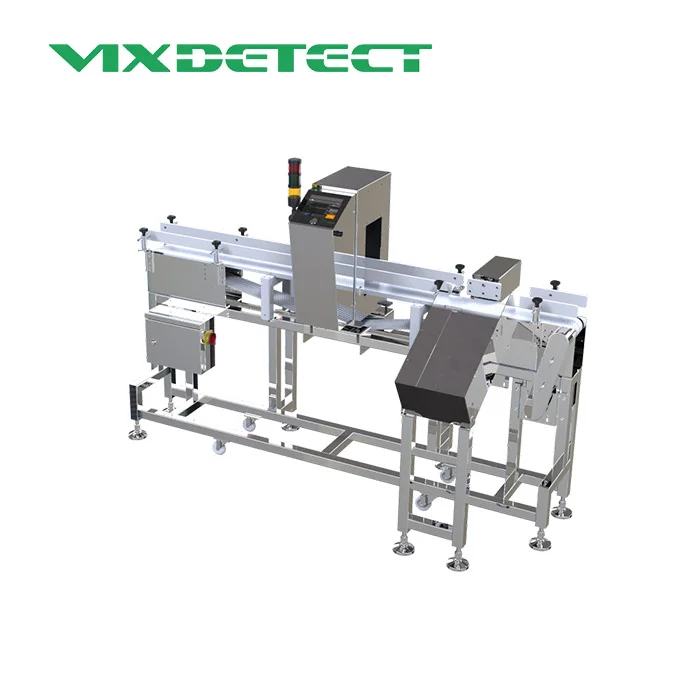
A vertical metal detector is a specialized inspection device designed to detect metal contaminants in products that pass vertically through a detection aperture. Unlike horizontal metal detectors, which are usually installed on conveyor belts, vertical metal detectors are used for products in free-fall or packaged items being dropped into a production line. This makes them particularly suitable for granular, powder, or small-sized products that are difficult to inspect on horizontal systems.
Vertical metal detectors are engineered to identify both ferrous and non-ferrous metals, including stainless steel, aluminum, copper, and iron, ensuring comprehensive contamination control. Their compact design allows for easy integration into existing production lines without significantly affecting workflow.
How Vertical Metal Detectors Work
The working principle of vertical metal detectors is based on electromagnetic induction. At its core, the system consists of a transmitter coil, a receiver coil, and a control unit. Here’s a detailed breakdown of how it functions:
-
Electromagnetic Field Generation: The transmitter coil generates a magnetic field that surrounds the detection aperture. This field penetrates the product as it passes through the detector.
-
Metal Detection: When a metallic object enters the magnetic field, it disrupts the electromagnetic balance. Different metals affect the field in distinct ways, depending on their conductivity and magnetic properties.
-
Signal Processing: The receiver coil detects the disturbance caused by the metal contaminant and sends the signal to the control unit. The control system analyzes the signal to determine the size, type, and location of the contaminant.
-
Alarm or Rejection: Upon detection, the vertical metal detector triggers an alarm or activates a rejection mechanism, such as an air blast or mechanical ejector, to remove the contaminated product from the production line. This prevents the product from reaching consumers and safeguards the production process.
The sensitivity of vertical metal detectors can be adjusted according to the product type, packaging material, and size of contaminants. Advanced systems also incorporate features like digital signal processing (DSP) to reduce false positives and enhance detection accuracy.
Key Applications of Vertical Metal Detectors
Vertical metal detectors are versatile and find applications across multiple industries. Their ability to inspect products in free-fall makes them ideal for sectors where horizontal conveyor detection is challenging.
1. Food Industry
The food industry is perhaps the most common user of vertical metal detectors. They are used to inspect:
-
Powders and grains: Products like flour, sugar, rice, coffee, and spices often pass through vertical metal detectors before packaging.
-
Snacks and confectioneries: Small or irregular-shaped items such as candies, nuts, and chips can be effectively inspected.
-
Powdered supplements: Nutritional powders and protein supplements require contamination-free assurance.
Ensuring metal-free food products protects consumers and helps manufacturers comply with stringent food safety regulations, including HACCP, ISO 22000, and FDA standards.
2. Pharmaceutical Industry
In pharmaceuticals, product safety is non-negotiable. Vertical metal detectors inspect tablets, capsules, powders, and granules to prevent contamination during production. Contaminated medicines can lead to serious health risks, recalls, and legal consequences. Vertical detectors ensure compliance with Good Manufacturing Practices (GMP) and maintain product integrity.
3. Plastics and Packaging
Vertical metal detectors are also used in the plastics and packaging industry to inspect raw materials or finished products. Detecting metallic contaminants prevents damage to processing equipment, ensures quality control, and reduces production downtime caused by machine repairs.
4. Other Industrial Applications
Other sectors, such as chemicals, feed production, and recycling, also utilize vertical metal detectors to maintain product quality and operational safety. The free-fall inspection capability is especially beneficial for granular, powdered, or irregular-shaped products.
Advantages of Vertical Metal Detectors
Vertical metal detectors offer several advantages that make them indispensable in modern manufacturing:
-
High Detection Accuracy: These detectors can identify even small metal contaminants, including stainless steel particles that are difficult to detect.
-
Versatility: Suitable for free-fall products, granular materials, powders, and packaged items.
-
Easy Integration: Compact design allows integration into existing production lines with minimal modifications.
-
Regulatory Compliance: Helps businesses meet strict safety standards in food, pharmaceutical, and other industries.
-
Cost Savings: Reduces the risk of product recalls, machinery damage, and potential lawsuits due to contaminated products.
-
Customizable Sensitivity: Adjustable settings allow optimization for different products, packaging, and contamination risks.
Why Vertical Metal Detectors Matter
The importance of vertical metal detectors extends beyond mere regulatory compliance. They are critical for:
-
Consumer Safety: Protecting consumers from accidental ingestion of metal contaminants.
-
Brand Reputation: Preventing contamination preserves brand integrity and builds consumer trust.
-
Operational Efficiency: Early detection reduces machine wear and tear, minimizing downtime.
-
Industry Standards: Adhering to international safety standards is essential for global trade and export.
In industries like food and pharmaceuticals, even a single contamination incident can have catastrophic consequences, including recalls, financial loss, and legal liabilities. Vertical metal detectors act as a frontline defense, ensuring that products leaving the facility are safe and reliable.
Choosing the Right Vertical Metal Detector
Selecting a vertical metal detector requires careful consideration of various factors:
-
Product Type: Granular, powder, or small-sized products require vertical systems for free-fall inspection.
-
Metal Contaminant Type: Choose a detector capable of identifying ferrous, non-ferrous, and stainless steel metals.
-
Sensitivity Requirements: Higher sensitivity may be required for pharmaceutical products compared to snacks or grains.
-
Integration Needs: Consider the available space and compatibility with existing production lines.
-
Compliance: Ensure the detector meets relevant industry standards and certifications.
Consulting with reputable vertical metal detector manufacturers can help in selecting a solution that balances sensitivity, reliability, and cost-effectiveness.
Conclusion
Vertical metal detectors are indispensable tools in modern manufacturing and processing industries. Their unique design allows for efficient inspection of products in free-fall, ensuring safety, quality, and compliance with industry standards. By understanding how these detectors work, the applications they serve, and the advantages they provide, businesses can make informed decisions to enhance product safety, protect their brand reputation, and maintain operational efficiency.
Investing in a high-quality vertical metal detector is not just about meeting regulatory requirements—it’s about committing to consumer safety, product integrity, and long-term business success. Whether in food production, pharmaceuticals, or industrial manufacturing, vertical metal detectors are a critical component of modern quality assurance systems
http://www.vixdetect.net
vixdetect -
-
AuthorPosts

- You must be logged in to reply to this topic.