
- This topic is empty.
-
AuthorPosts
-
19/05/2026 at 10:26 #98386
In today’s urban infrastructure projects, maintaining the quality of underground drainage systems and pipelines is more important than ever. Municipal authorities, contractors, and project owners are increasingly relying on advanced inspection technologies to ensure pipelines remain safe, durable, and efficient over the long term. Among the many available solutions, QV inspection has emerged as one of the most practical and reliable methods for rapid pipeline assessment.
So, what makes QV inspection so valuable in modern quality control practices?
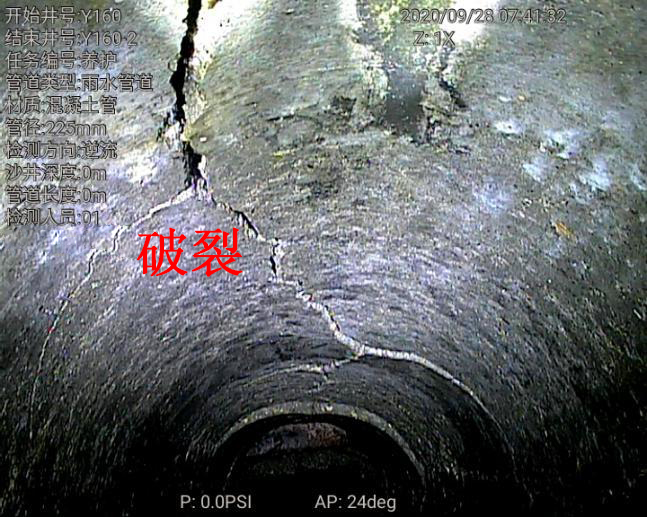
Understanding QV Inspection
QV inspection, often referred to as Quick View inspection, is a visual pipeline evaluation method that uses a telescopic periscope camera system to inspect the inside of pipelines directly from the surface. Unlike conventional CCTV inspections that require equipment to travel through the pipe, QV systems allow operators to assess conditions through existing manholes without entering confined spaces.
During the process, a high-definition camera mounted on an extendable pole is lowered into the pipeline. The operator can rotate, zoom, and adjust the camera angle to examine the pipe interior and identify visible defects such as:
-
Cracks and fractures
-
Sediment accumulation
-
Pipe deformation
-
Blockages and debris
-
Root intrusion
Because of its simplicity and speed, QV inspection is widely used for preliminary surveys and large-scale pipeline evaluations.
How QV Inspection Operates
The QV inspection process is designed to be efficient while minimizing operational risks. A typical inspection usually includes the following stages:
1. Site Preparation
Technicians open the manhole covers and secure the inspection area to ensure safe access and operation.
2. Camera Insertion
The telescopic camera system is inserted into the pipeline through the manhole. The camera can extend over long distances and provide flexible viewing angles.
3. Live Monitoring
Operators observe real-time video footage on a monitoring screen, allowing immediate identification of defects or abnormalities.
4. Recording and Reporting
Images and videos are stored digitally for future reference. Inspection reports are then prepared to support maintenance planning and engineering decisions.
Since workers do not need to enter the pipeline, the overall process is much safer and less labor-intensive than traditional inspection methods.
Key Reasons Buyers Value QV Inspection
1. Rapid and Economical Inspection
Speed is critical in infrastructure management. QV inspection enables technicians to evaluate pipelines quickly without the extensive setup required for full CCTV inspections. This helps reduce labor costs, minimize downtime, and accelerate project schedules.
For municipalities overseeing extensive drainage networks, this efficiency provides significant operational advantages.
2. Early Identification of Pipeline Problems
One of the biggest advantages of QV inspection is its ability to detect visible defects before they develop into severe structural failures. Problems such as minor cracks, sediment buildup, or root intrusion can be identified early and addressed promptly.
Preventive maintenance supported by early detection helps reduce long-term repair costs and prolongs pipeline service life.
3. Improved Safety Standards
Traditional inspection methods sometimes require confined-space entry, which involves considerable safety risks. QV inspection reduces or eliminates the need for workers to enter hazardous underground environments.
This makes it particularly attractive for projects focused on workplace safety compliance and risk reduction.
4. Clear Visual Documentation
Modern QV systems produce high-resolution images and video recordings that serve as reliable evidence of pipeline conditions. Buyers and project managers can use this documentation to:
-
Verify construction quality
-
Monitor contractor performance
-
Support maintenance planning
-
Demonstrate compliance with specifications
Visual reporting also improves communication between project stakeholders.
5. Excellent for Preliminary Evaluations
Although CCTV inspection provides more detailed structural analysis, it often requires more time and operational resources. QV inspection works exceptionally well as a first-stage assessment tool to determine whether additional investigation is necessary.
This allows organizations to allocate budgets and technical resources more effectively.
The Importance of QV Inspection in Quality Control
Pipeline quality control is about ensuring that underground infrastructure meets engineering standards throughout construction and operation. QV inspection contributes to this objective in several important ways.
Construction Verification
After new installations or rehabilitation work, QV inspection helps confirm that pipelines are free from obvious defects.
Routine Maintenance
Regular inspections help maintain proper system performance and reduce the likelihood of unexpected failures.
Project Evaluation
Pipeline conditions can be compared before and after repairs to evaluate project effectiveness.
Better Decision-Making
Accurate visual data allows engineers and buyers to make informed choices regarding repairs, rehabilitation, or replacement strategies.
In many cases, QV inspection serves as the first step in a comprehensive infrastructure management process.
Combining QV Inspection with Advanced Pipeline Technologies
While QV inspection is highly efficient, it is often combined with other inspection and rehabilitation technologies for more complete pipeline management. For example, pipelines flagged during a QV survey may later undergo detailed CCTV inspection for deeper structural analysis.
Companies that offer integrated inspection and maintenance services can therefore provide more comprehensive infrastructure solutions.
One notable example is Jiangsu Zhenqi Construction Engineering Co., Ltd., a high-tech enterprise specializing in underground pipeline inspection and rehabilitation services.
The company provides a broad range of professional solutions, including:
-
Pipeline trenchless rehabilitation
-
CCTV pipeline inspection
-
QV periscope inspection
-
Municipal drainage cleaning
-
Environmental engineering services
-
Rainwater and sewage network investigations
-
Zero sewage discharge evaluation
-
Underwater engineering operations
-
GIS system development
Their QV inspection service is showcased on Jiangsu Zhenqi Construction Engineering Co., Ltd..
By introducing advanced equipment and technologies from Europe and the United States, the company has strengthened its capabilities in supporting urban drainage and underground pipeline systems. Continuous investment in professional training and technical innovation also enables them to provide reliable and efficient inspection services for modern cities.
When Is QV Inspection the Best Choice?
QV inspection is especially effective in the following situations:
-
Large municipal inspection projects requiring rapid assessment
-
Preliminary surveys before detailed CCTV inspection
-
Routine maintenance monitoring
-
Emergency inspections requiring quick diagnosis
-
Sites with limited accessibility
However, QV inspection is not intended to fully replace CCTV inspection. For detailed structural evaluations and precise measurements, CCTV technology remains essential. The most effective strategy is often combining both methods within a broader quality control system.
The Future of QV Inspection
As urban infrastructure networks continue expanding, demand for efficient inspection technologies will continue to grow. QV inspection systems are expected to become even more advanced through developments in digital imaging, automation, and smart data integration.
Future innovations may include:
-
AI-based defect recognition
-
Integration with smart city platforms
-
Enhanced digital reporting systems
-
Automated inspection workflows
-
Real-time GIS data synchronization
These improvements will further increase the efficiency and value of QV inspection in infrastructure management.
Conclusion
QV inspection has become an indispensable tool in modern pipeline quality control because it provides a fast, safe, and cost-effective way to evaluate underground infrastructure.
Its ability to quickly identify visible defects, reduce operational risks, and support data-driven maintenance decisions makes it highly valuable for municipalities, contractors, and infrastructure managers alike.
When combined with professional expertise and integrated services—such as those provided by Jiangsu Zhenqi Construction Engineering Co., Ltd.—QV inspection plays a major role in improving the reliability, efficiency, and long-term sustainability of urban drainage systems and underground pipeline networks.
en.zhenqijianshe.com
Jiangsu Zhenqi Construction Engineering Co., Ltd. -
-
AuthorPosts

- You must be logged in to reply to this topic.